Lubricants
Ask your agent to find products in Lubricants. Your agent finds and compares. You approve the buy. Connect your agent
Sellers list 164 products in Lubricants on CommerceBook. Updated November 14, 2026.
Browse the products
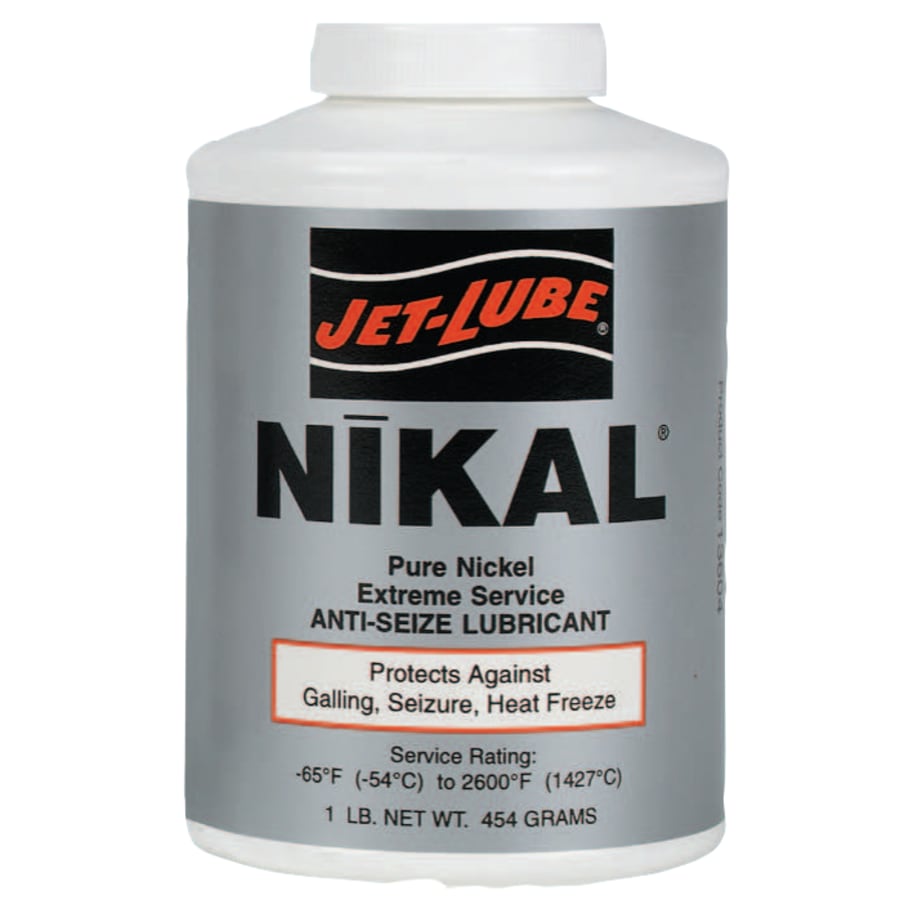 JET-LUBE extreme temperature anti-seize compound, 1/2 lb, model 13602JET-LUBE$95.99 USD each
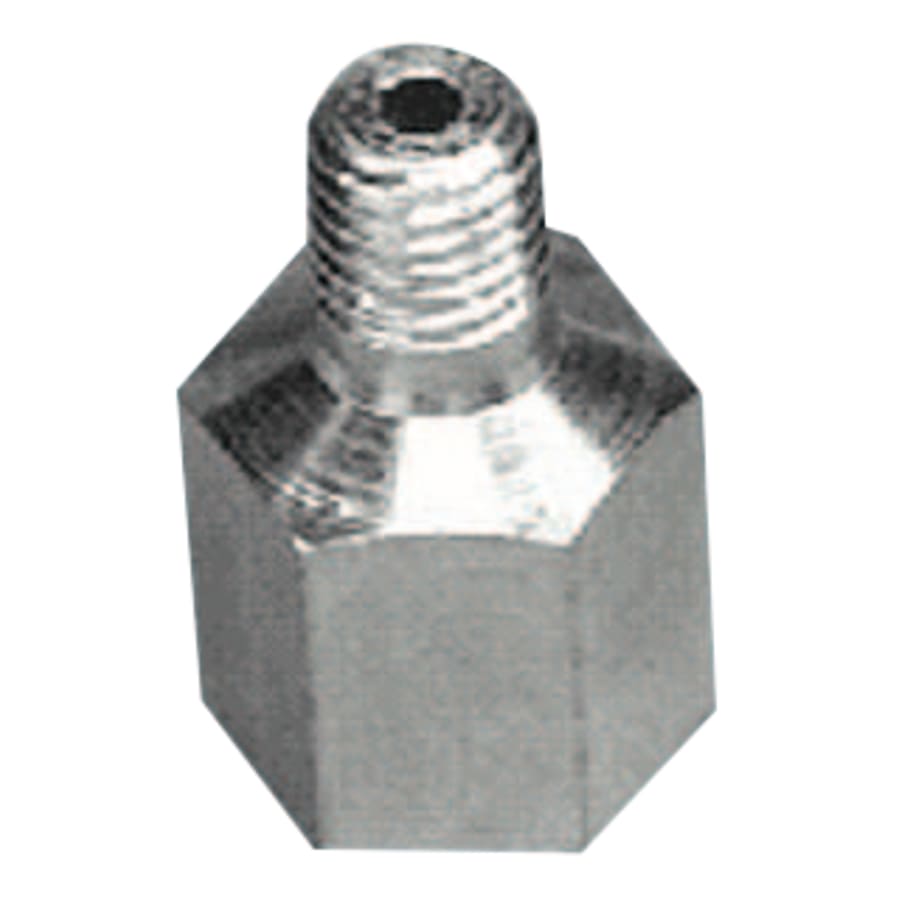 ALEMITE grease fittings, 5 in item length, model 305859ALEMITE$48.99 USD each
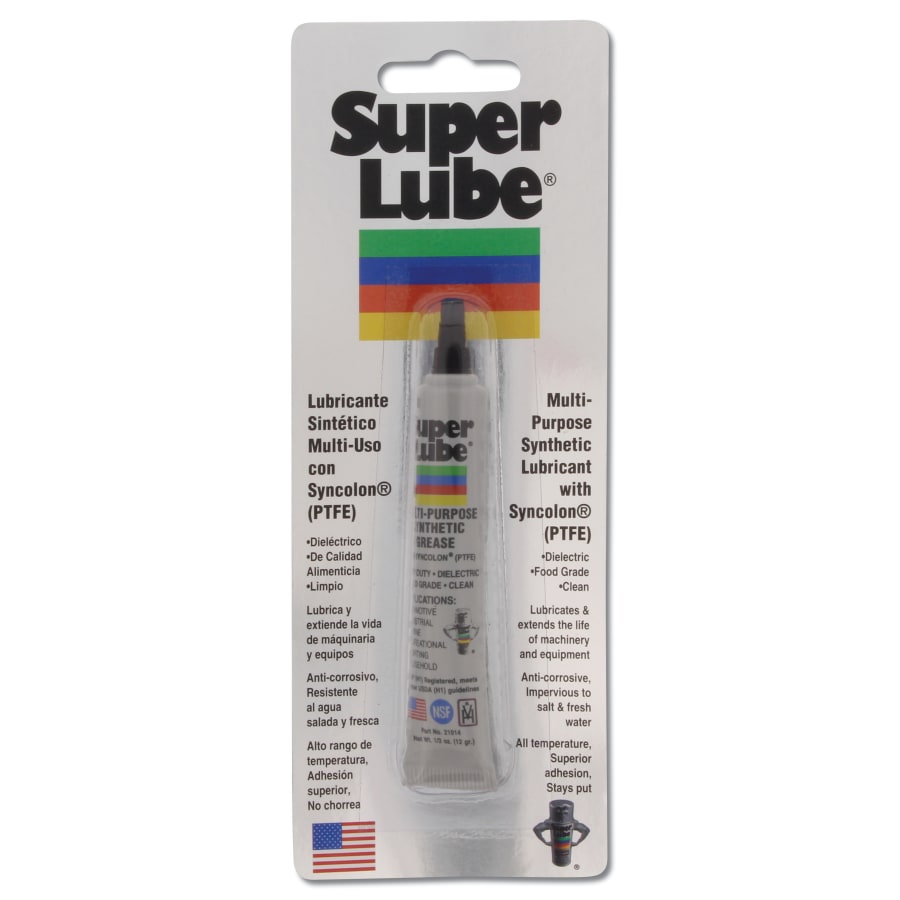 Super Lube lubricant tube, 1/2 OZ, model 21010Super Lube$25.99 USD each
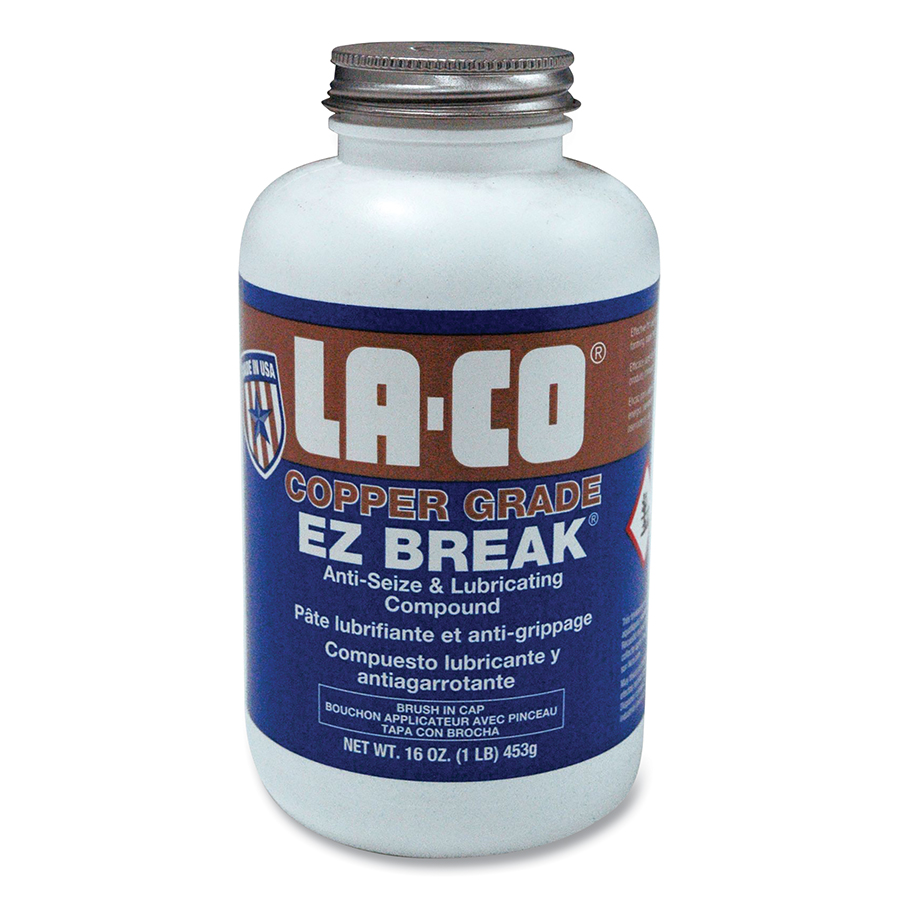 LA-CO E-Z Break hi-temp copper anti-seize, 16 oz, model 08907LA-CO$77.99 USD each
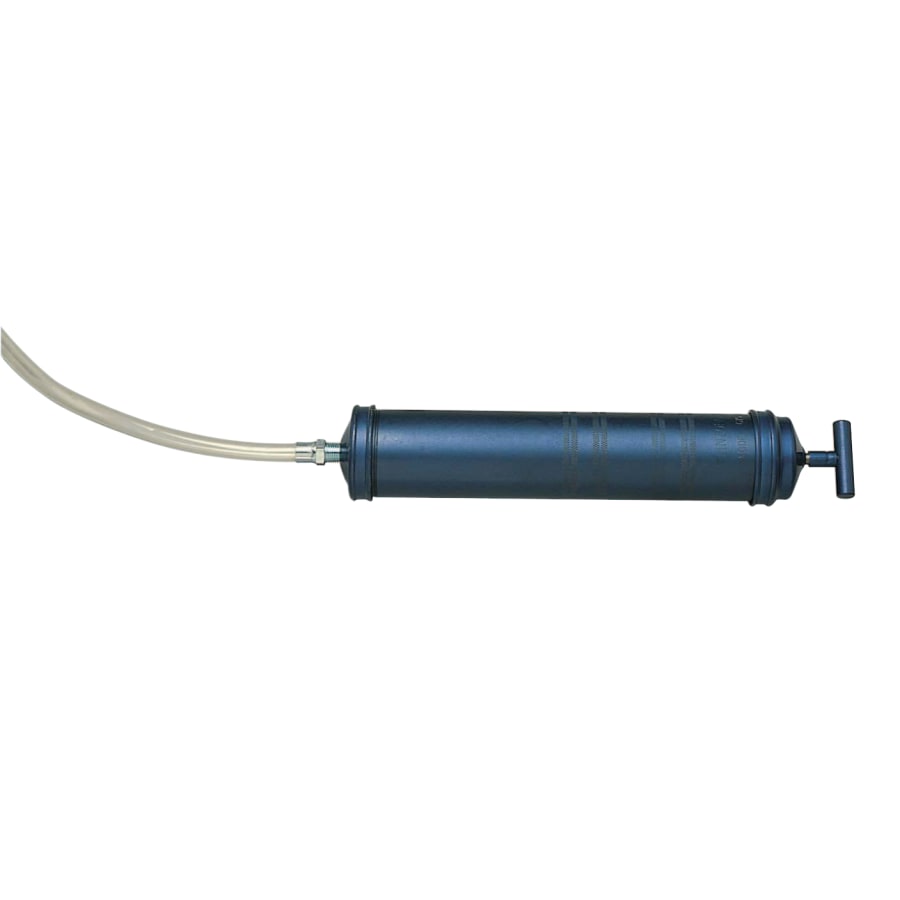 Lincoln Industrial 20 oz suction grease gun, model 615Lincoln Industrial$108.99 USD each
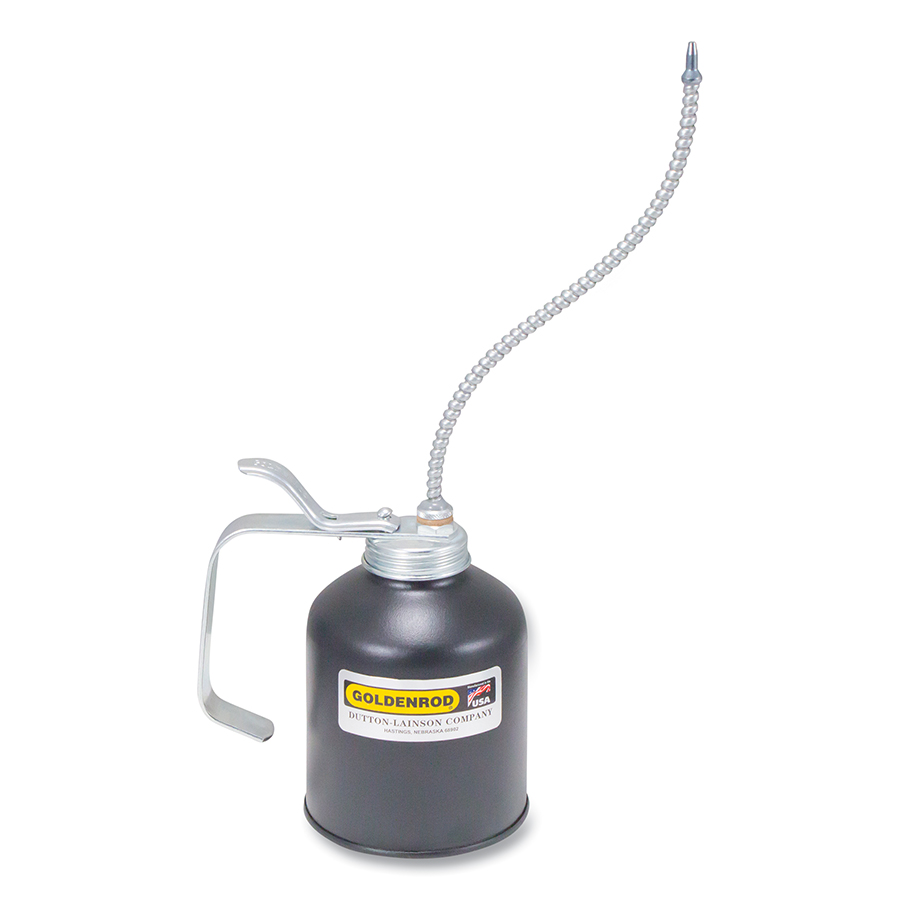 GOLDENROD industrial oiler pump, model 727GOLDENROD$48.99 USD each
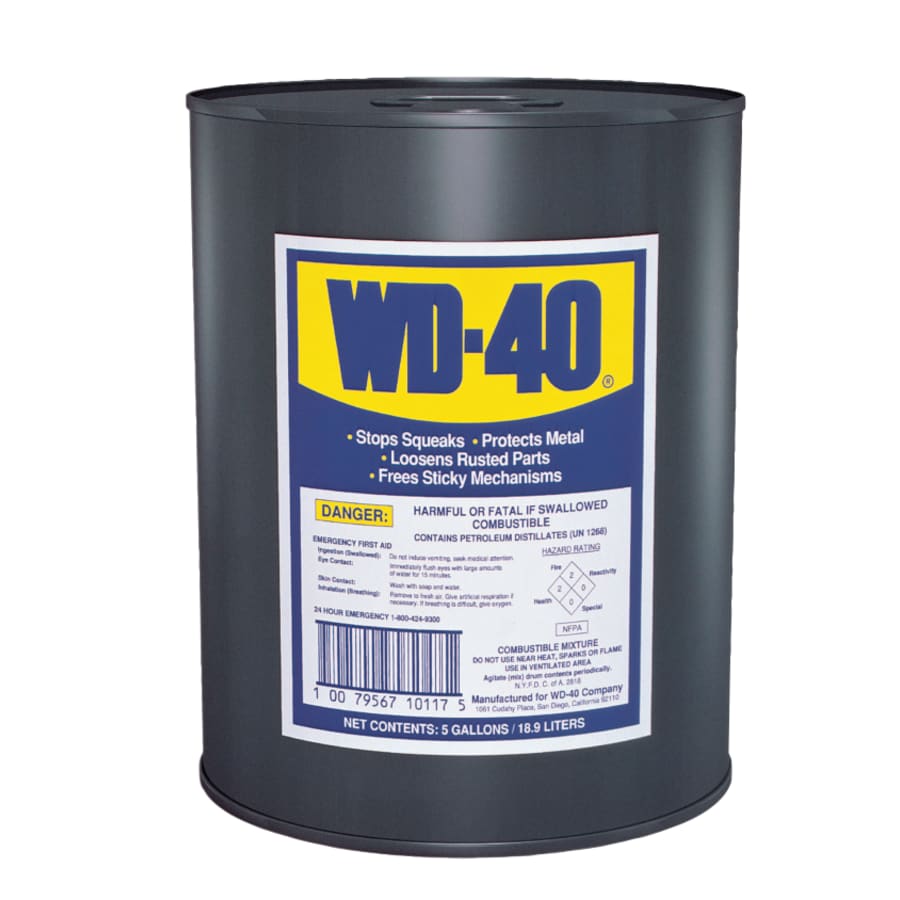 WD-40 multi-purpose lubricant, 5 gallon pail, model 49012WD-40$229.99 USD each
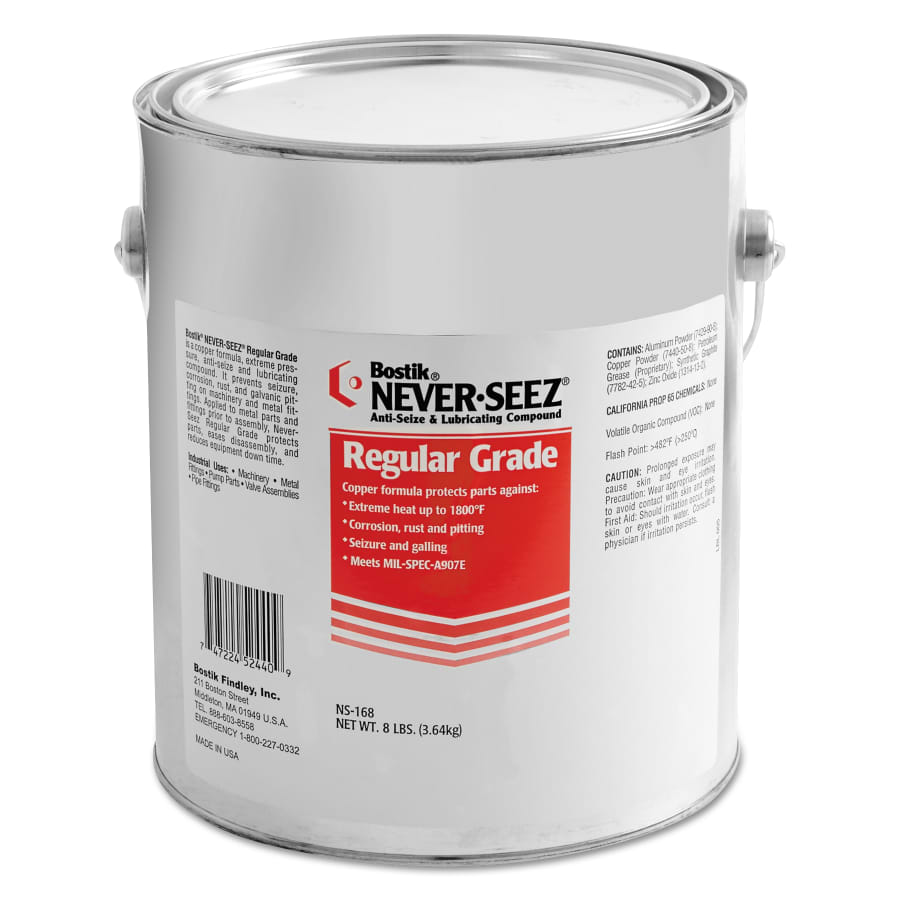 NEVER-SEEZ anti-seize compound in 8LB can, model 30854504NEVER-SEEZ$315.99 USD each
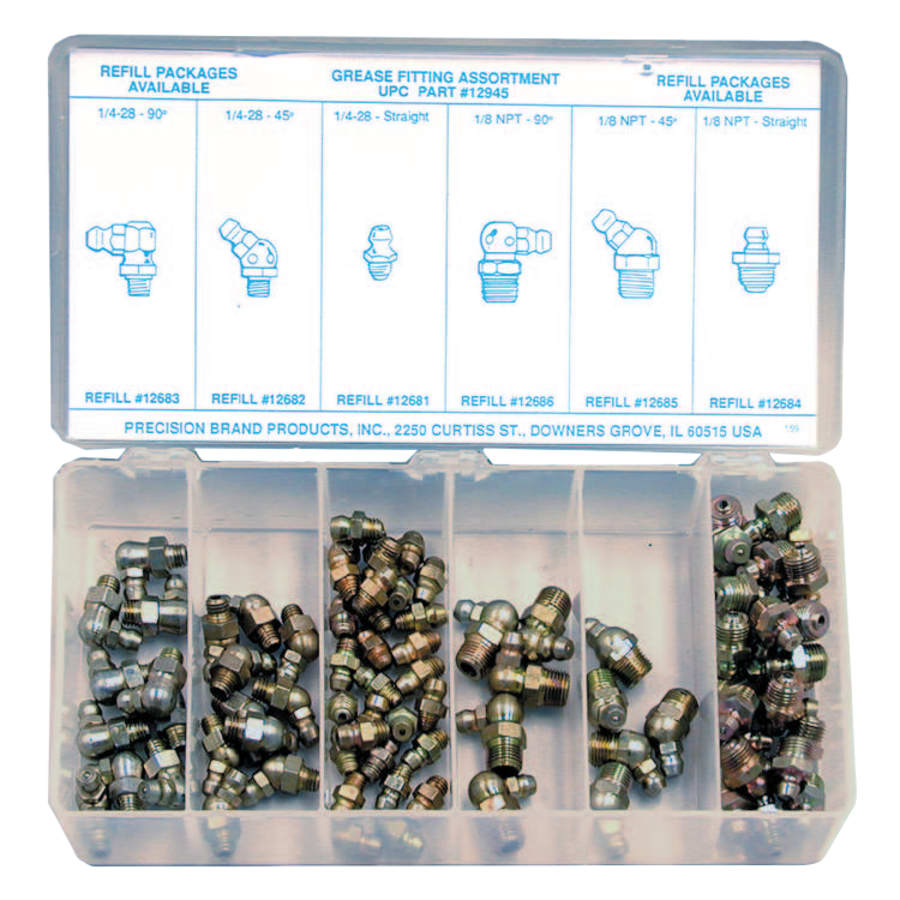 PRECISION BRAND grease fitting, model 12945PRECISION BRAND$108.99 USD each
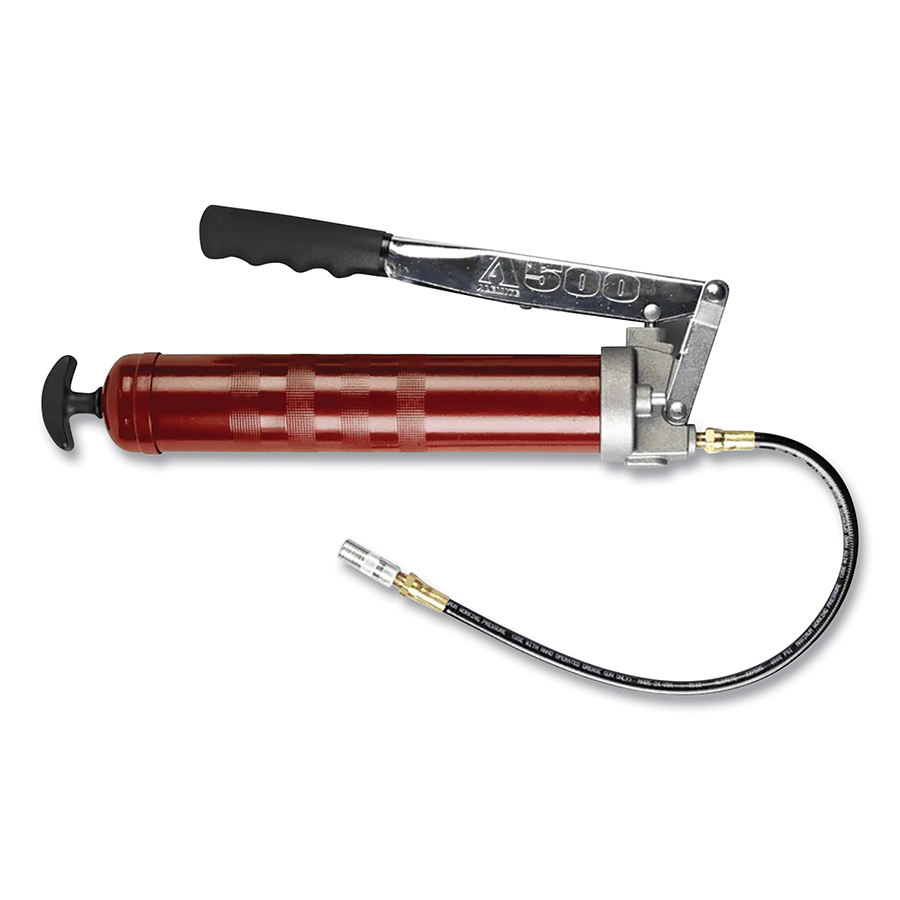 ALEMITE grease gun, 16.7 in item length, model 500-EALEMITE$103.99 USD each
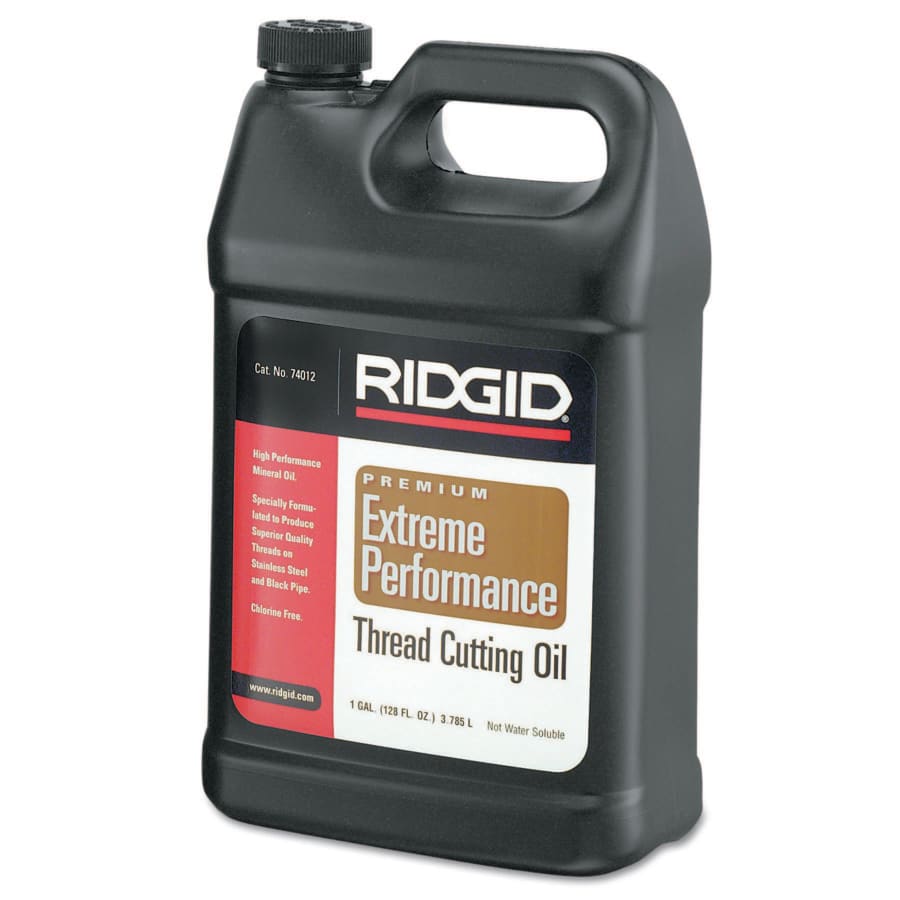 RIDGID SS oil, model 74012RIDGID$81.99 USD each
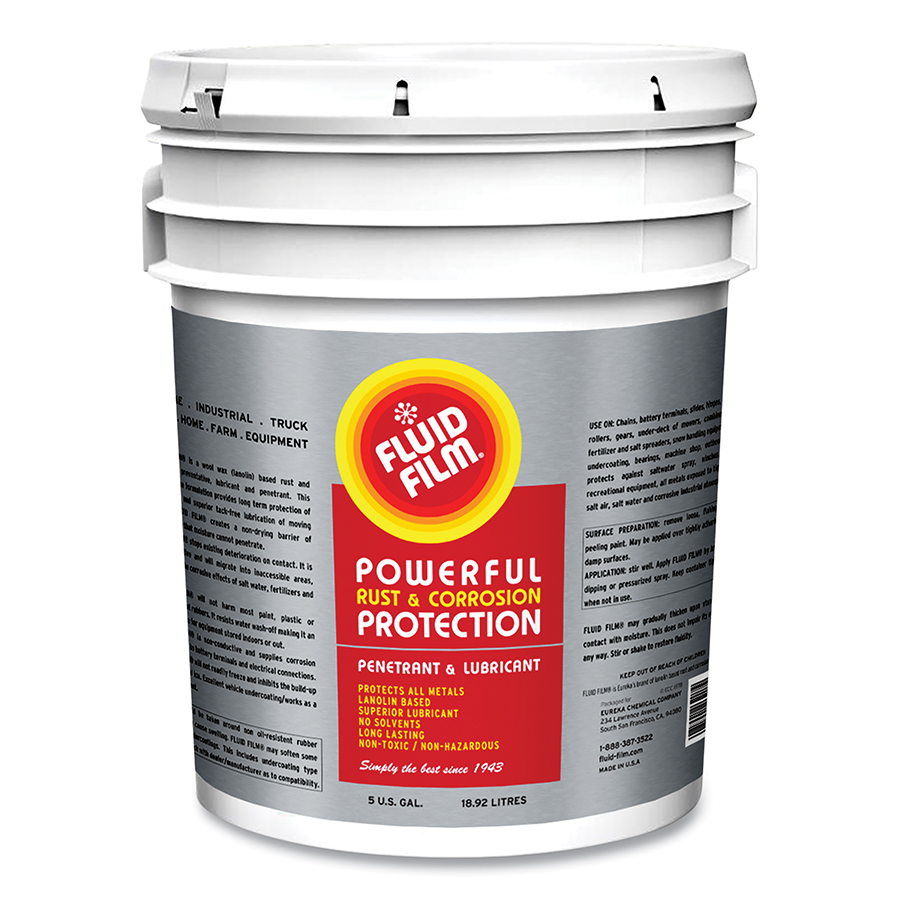 FLUID FILM corrosion inhibitor, model PNASFLUID FILM$212.99 USD each
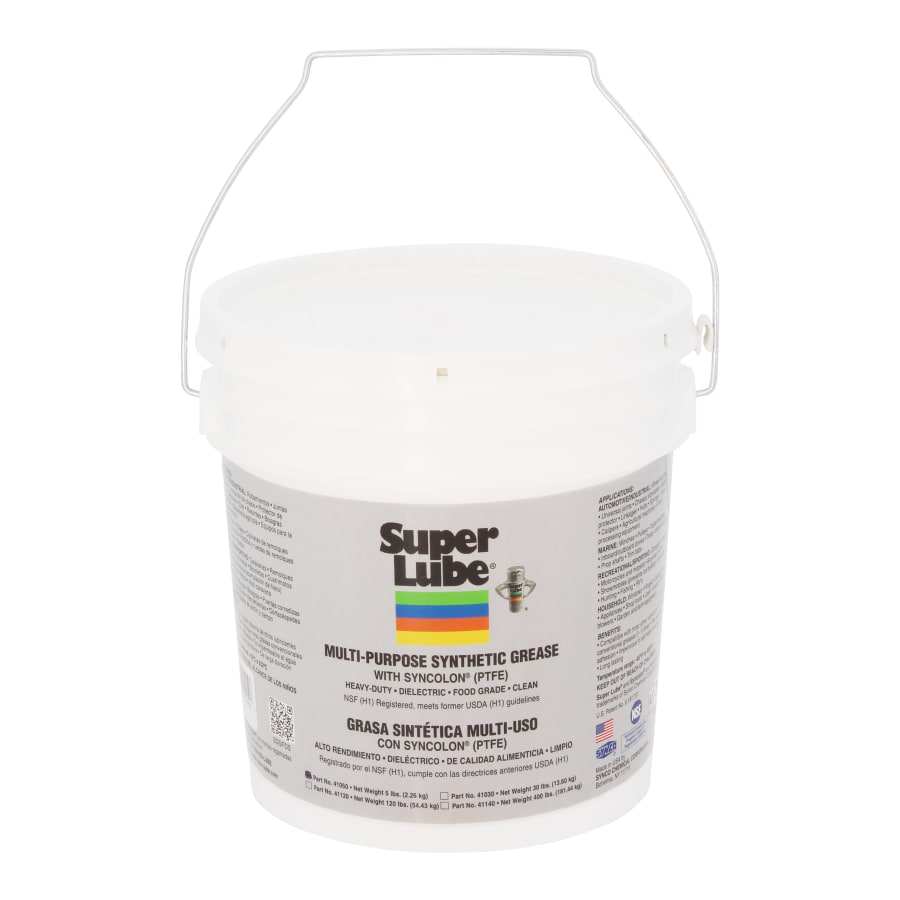 Super Lube synthetic grease with PTFE, 5LB can, model 41050Super Lube$130.99 USD each
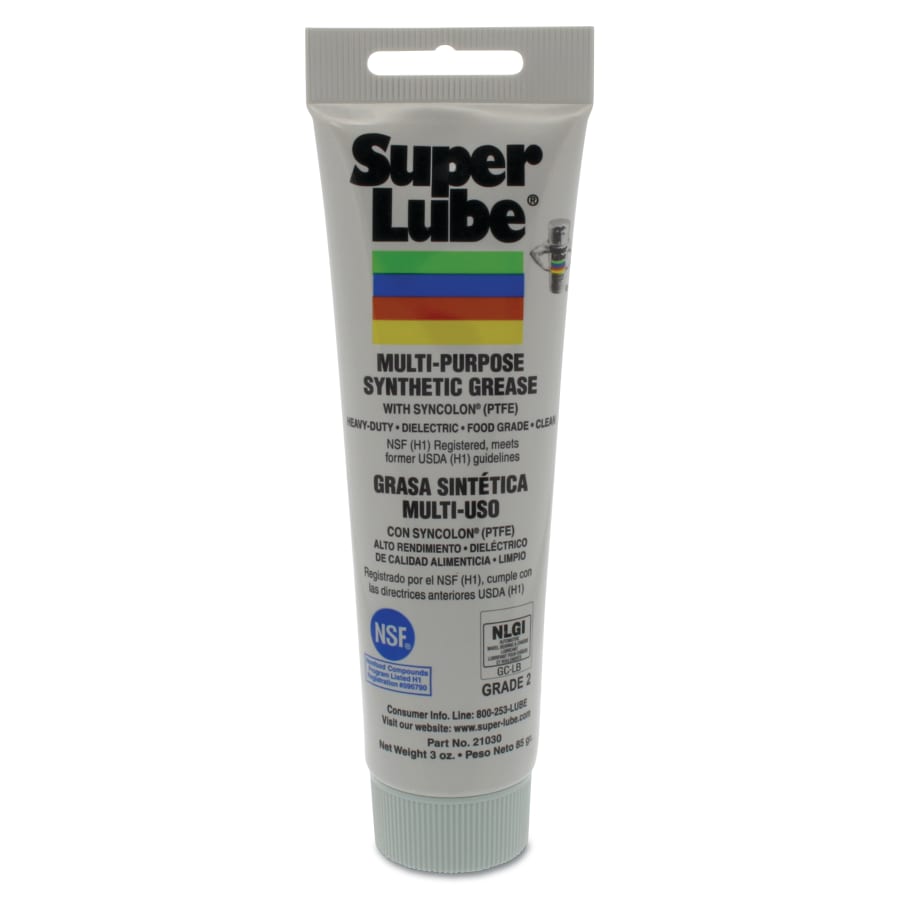 Super Lube lubricant tube, 3 OZ, model 21030Super Lube$29.99 USD each
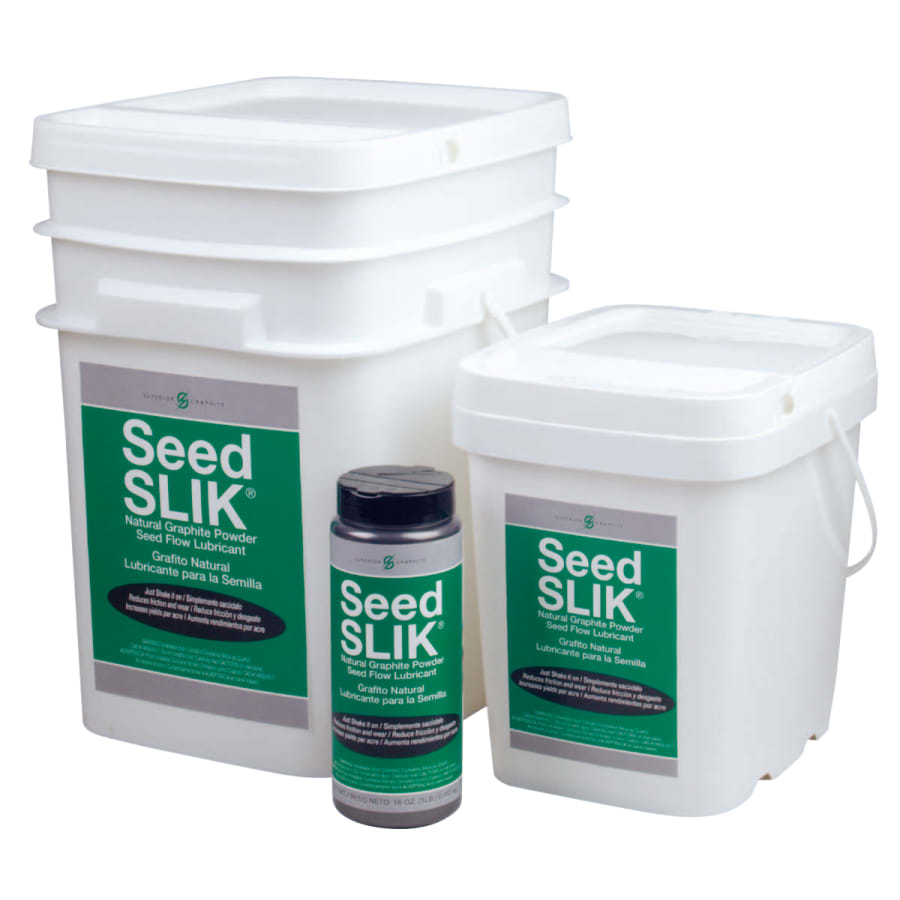 PRECISION BRAND Seed Slik graphite dry lube in 16 OZ bottle, model 45542PRECISION BRAND$42.99 USD each
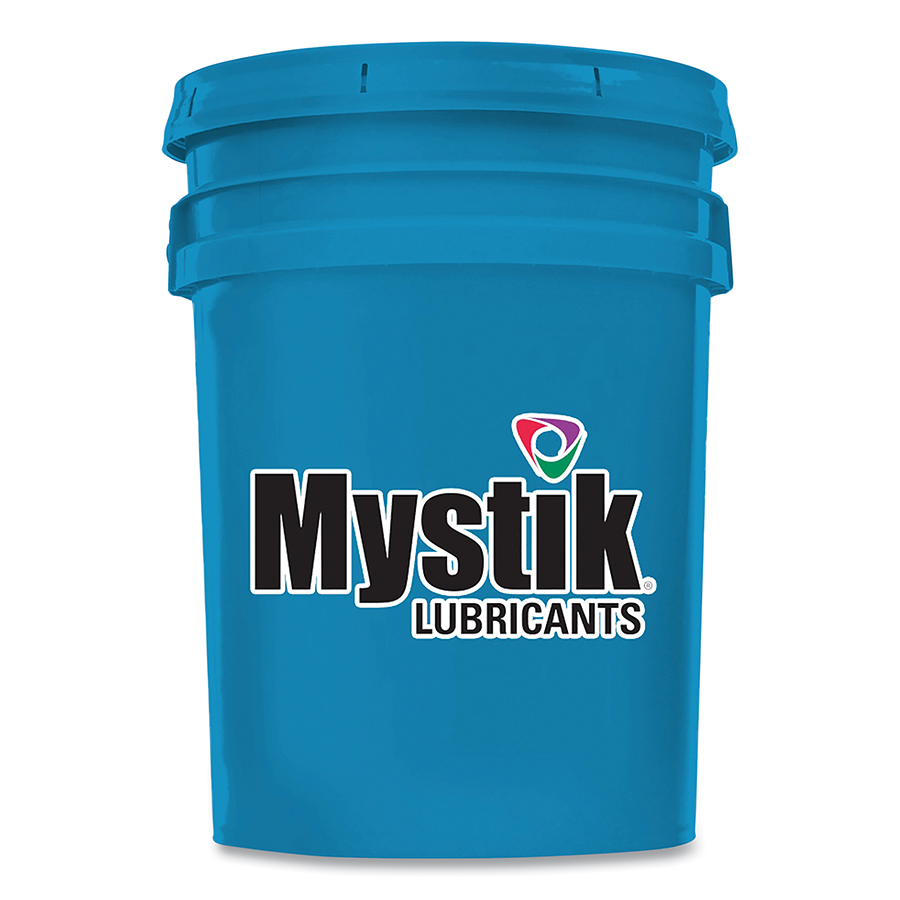 Mystik general purpose grease, # 2, model 665150002044Mystik$258.99 USD each
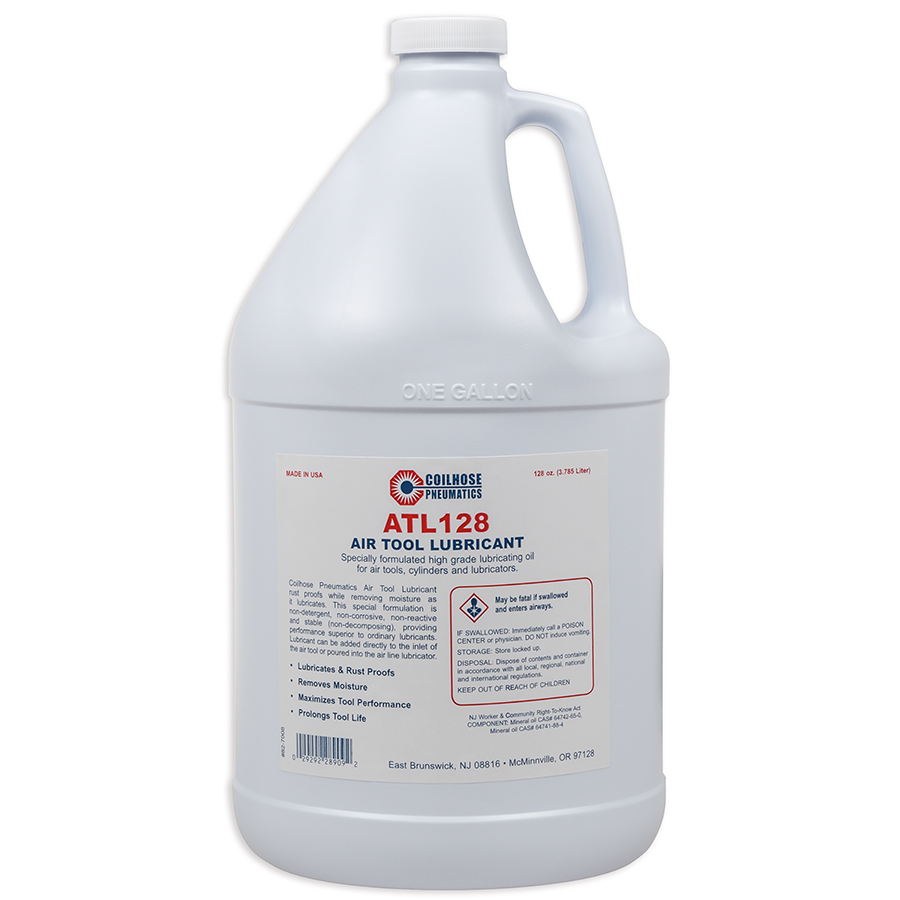 COILHOSE PNEUMATICS Air tool lubricant, 1 gal, model ATL128COILHOSE PNEUMATICS$81.99 USD each
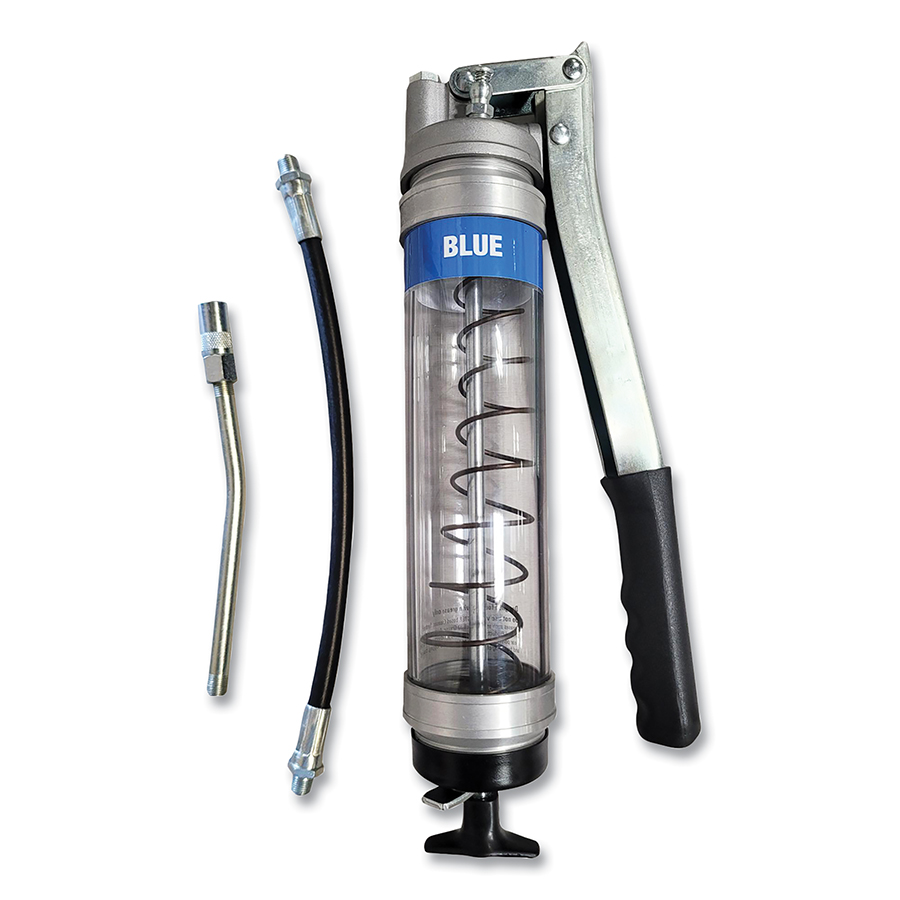 OilSafe grease gun with clear body, model 330502OilSafe$238.99 USD each
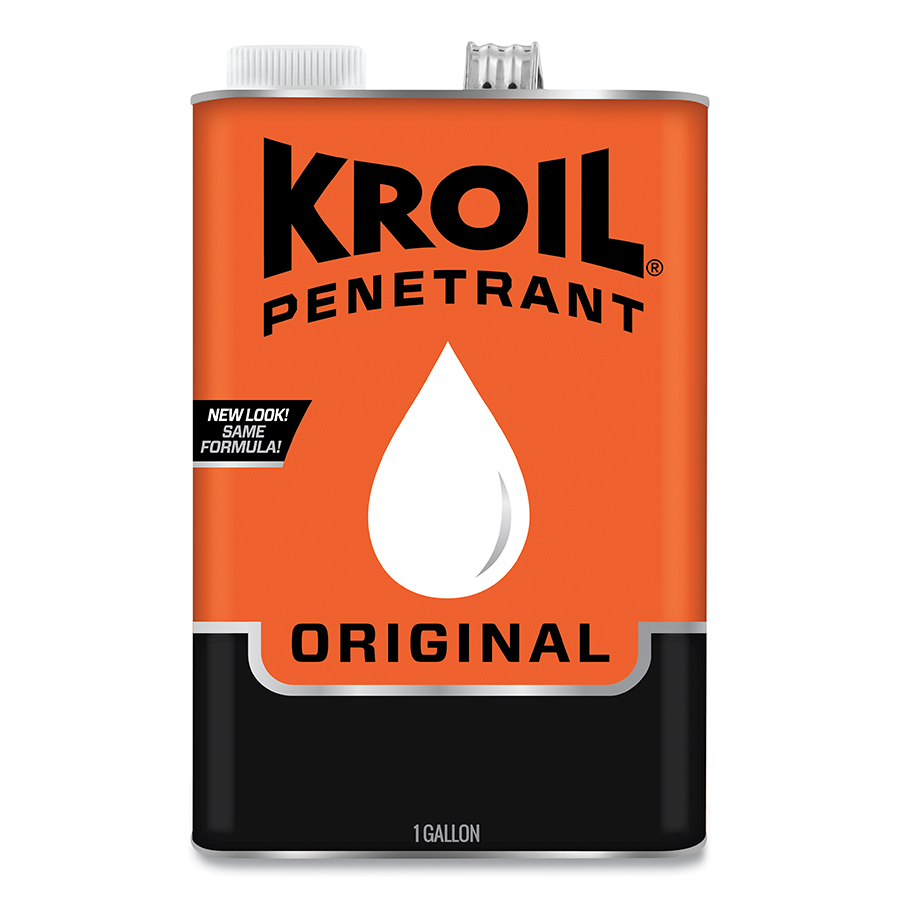 KROIL liquid penetrant oil in 1 gal can, model KL011KROIL$164.99 USD each
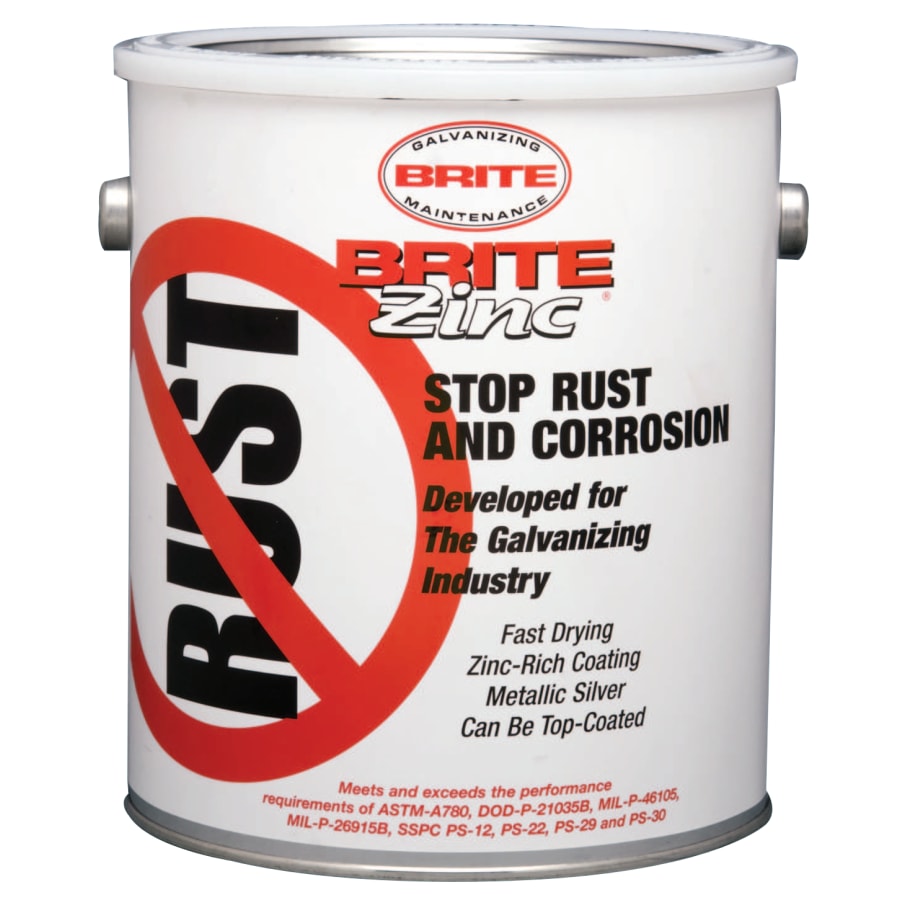 WELD-AID cold galvanize compound, 1 gallon, model 1008226WELD-AID$262.99 USD each
About Lubricants
Lubricants are building consumable hardware goods that reduce friction and protect mechanical parts. You must check several factors before you purchase lubricants. You should check the color, the durability features, the lubricant dispenser type, the pattern, and the suitable material type. You must verify chemical compatibility with your parts and equipment. You should ask the manufacturer if the product works with the specific rubber, metal, and plastic in your equipment. You must check the environmental impact of the lubricants. You need to look for non-hazardous and non-flammable products. You should check if the supplier asks about operating speeds, friction types, workload, and operating conditions. You must check technical specifications on the label.
Read what buyers ask
How do I check lubricant compatibility with my parts?
You must check the compatibility of any chemicals that will come in contact with your parts and equipment. You can ask the lubricant manufacturer if their product is compatible with the specific rubber, metal, and plastic found in your equipment.
How do I check if the lubricant is safe for workers and the environment?
You should consider the environmental impact of any lubricants you use. You must look for products that are non-hazardous and non-flammable.
How do I check operating conditions with my supplier?
Your supplier will ask a series of questions to learn more about your application. You must answer if the operating speed is fixed or variable, and what kind of friction it uses.
How do I check normal workload and workplace operating conditions?
Your supplier will ask you about the normal workload and workplace operating conditions. You must also check if there are any industry standards that mandate which lubricant you should use.
How do I check technical specifications on product labels?
You must pay attention to the technical specifications on the label. You need to check if the label says complies, meets, or approved.
How do I check lubricant consumption?
You should check if lubricant consumption is tracked to identify whether it is too high or low. This can also be an important aspect of due diligence in case of a leak or spill.
How do I check if lubricants in use are properly tested?
You must test lubricants in use to determine if the useful service life has been optimized. You should include this as part of the proactive maintenance process.