Material Handling
Ask your agent to find products in Material Handling. Your agent finds and compares. You approve the buy. Connect your agent
Sellers list 47 products in Material Handling on CommerceBook. Updated November 14, 2026.
Choose a narrower category
Browse the products
- No photo yetCampbell welded ring, blue, model 6050624Campbell$41.99 USD each
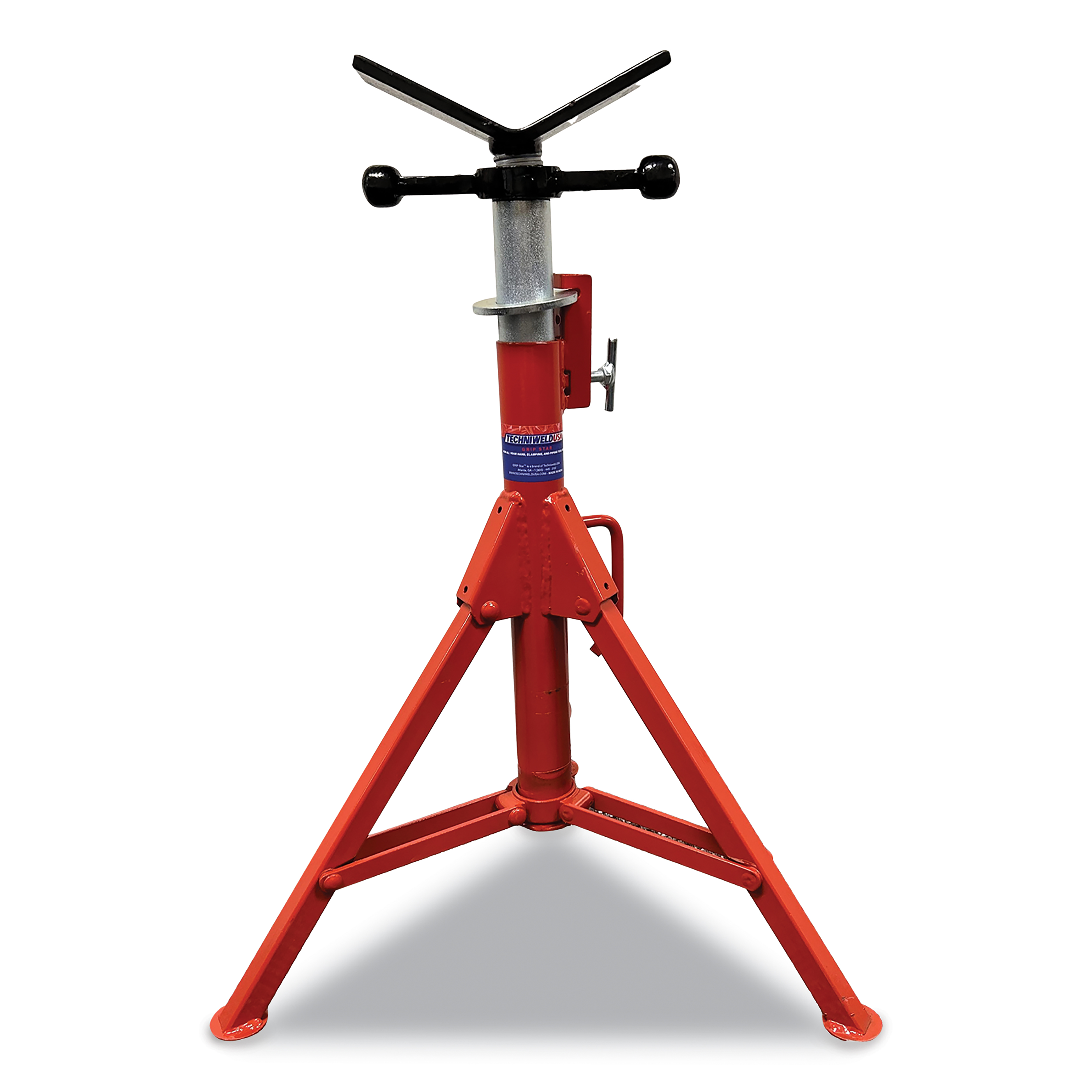 GRIP STAR folding pipe stand, 3000 lb, model GS781300GRIP STAR$107.99 USD each
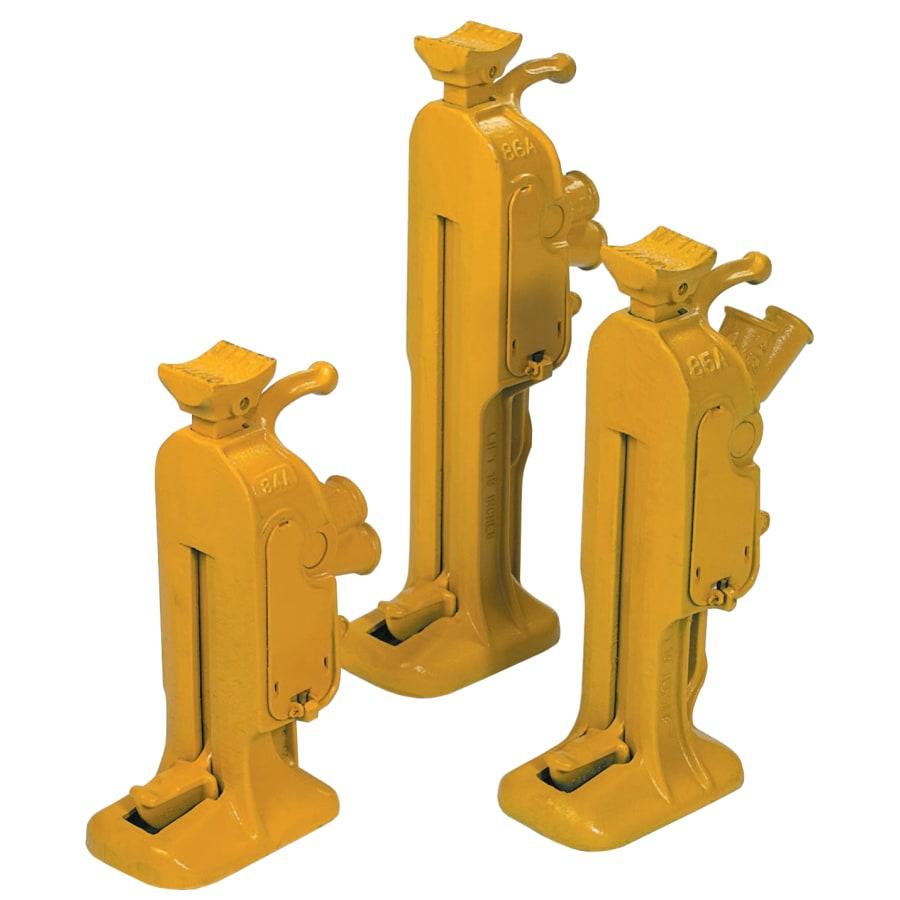 Simplex ratchet lowering lever jack, model RJ22BSimplex$2,785.99 USD each
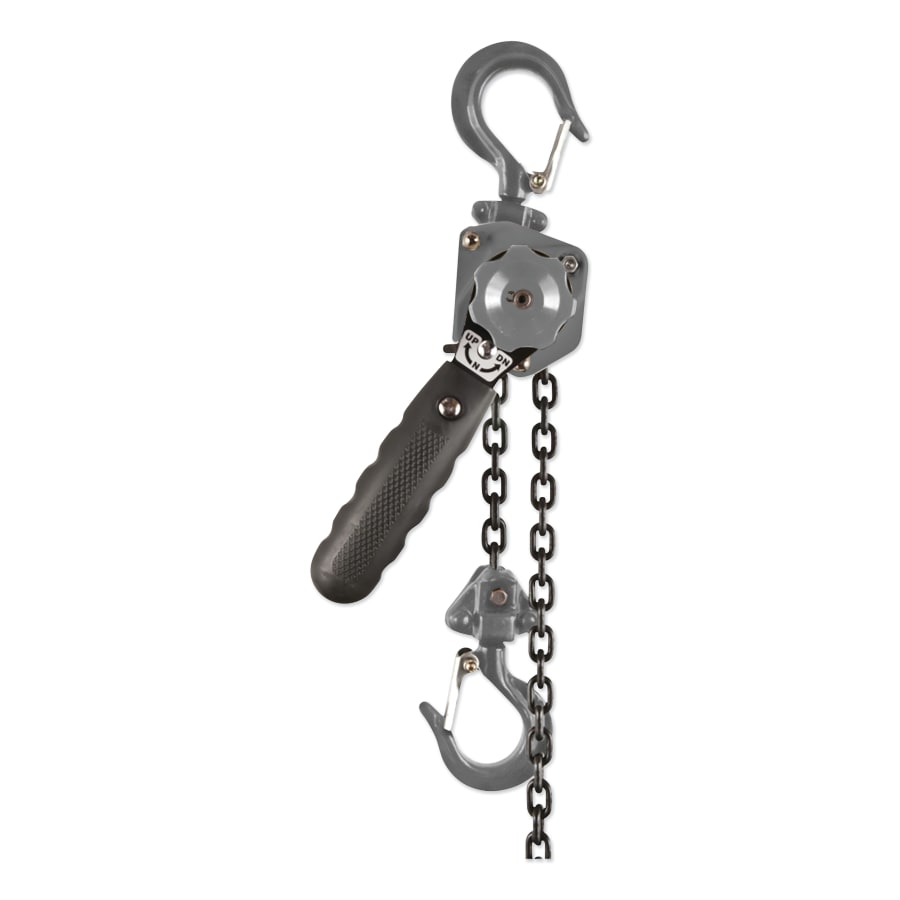 JET mini puller, 1/2 ton with 10' lift, model JT9-287201JET$316.99 USD each
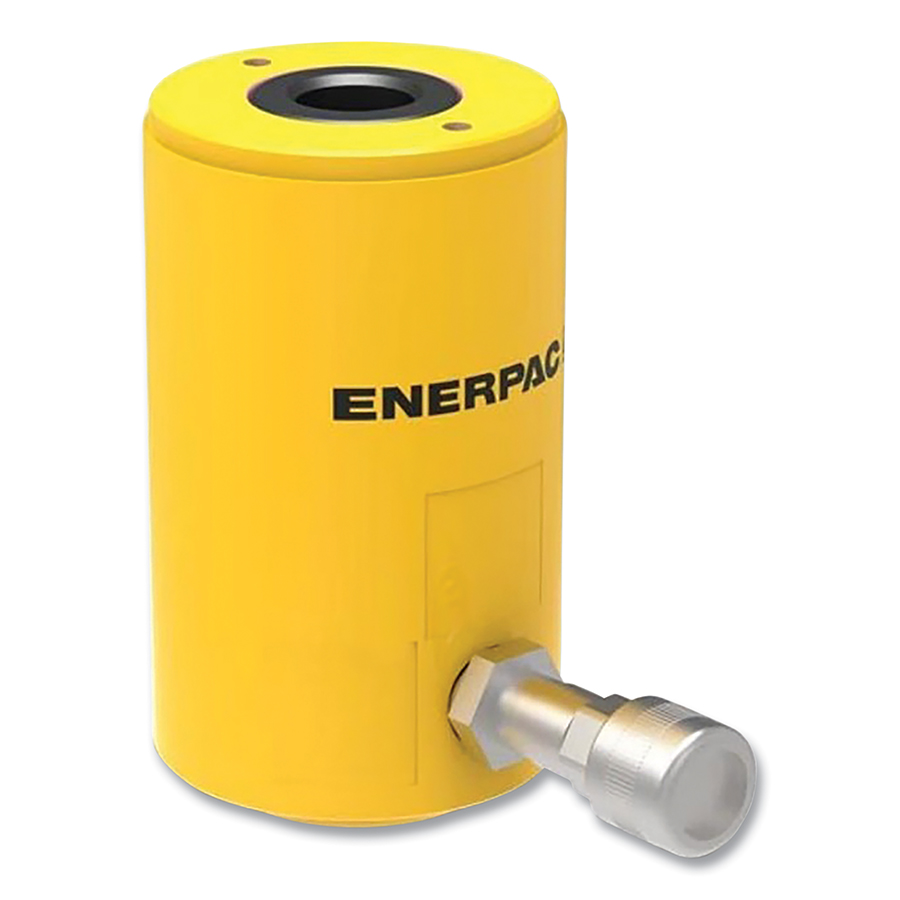 Enerpac 12-ton hydraulic cylinder, hydraulic power source, model RCH-121Enerpac$1,595.99 USD each
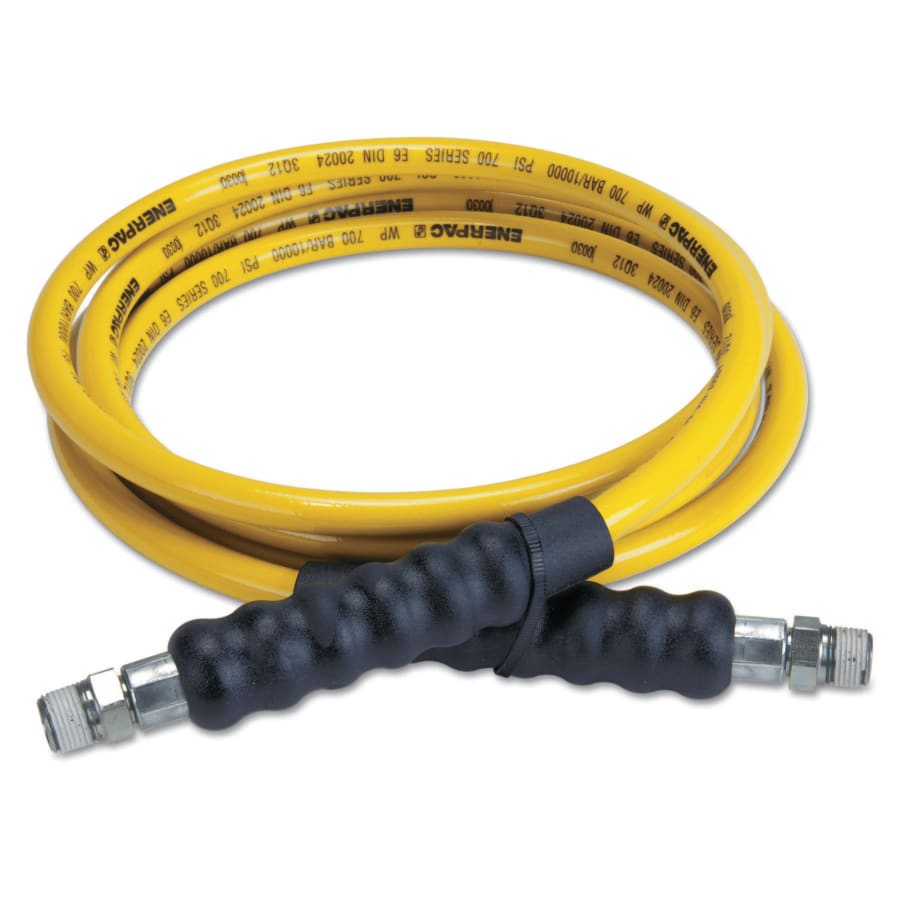 Enerpac high pressure hydraulic hose, 10', model HC-7210Enerpac$443.99 USD each
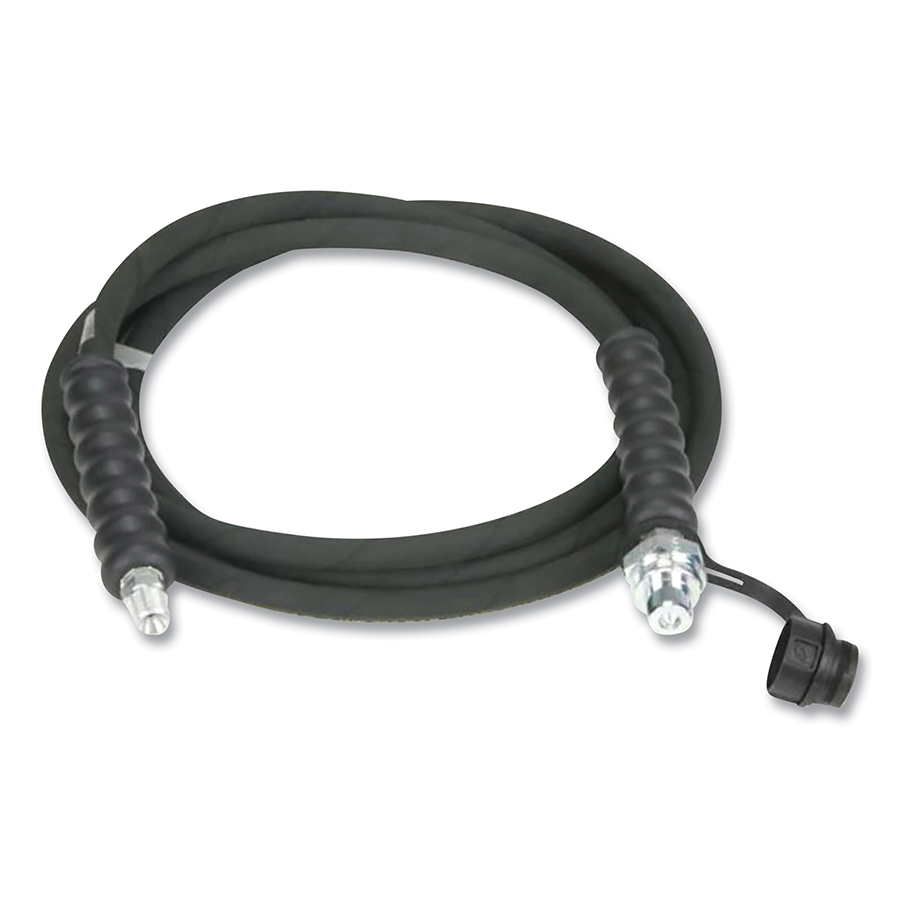 Enerpac high pressure hydraulic hose, 6', model HC-9206Enerpac$265.99 USD each
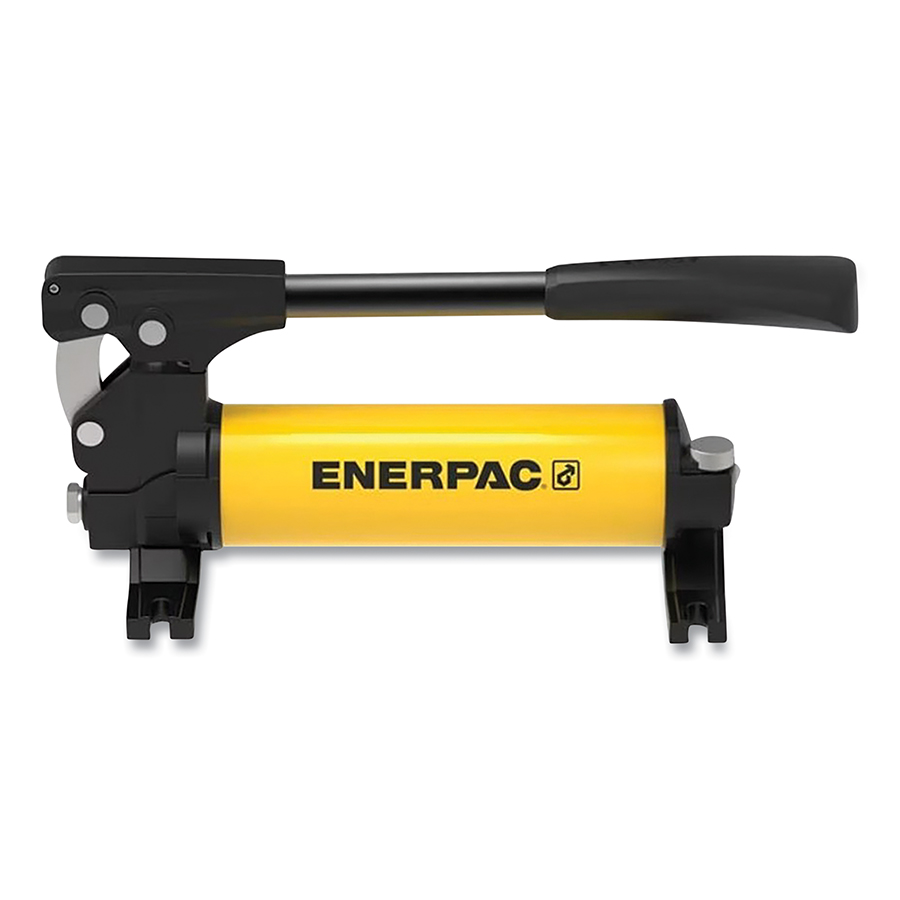 Enerpac single-speed hand hydraulic pump, 2350 PSI, model P18Enerpac$1,153.99 USD each
- No photo yetEnerpac hydraulic tool cylinder half, 0.39 pounds, model CR400Enerpac$116.99 USD each
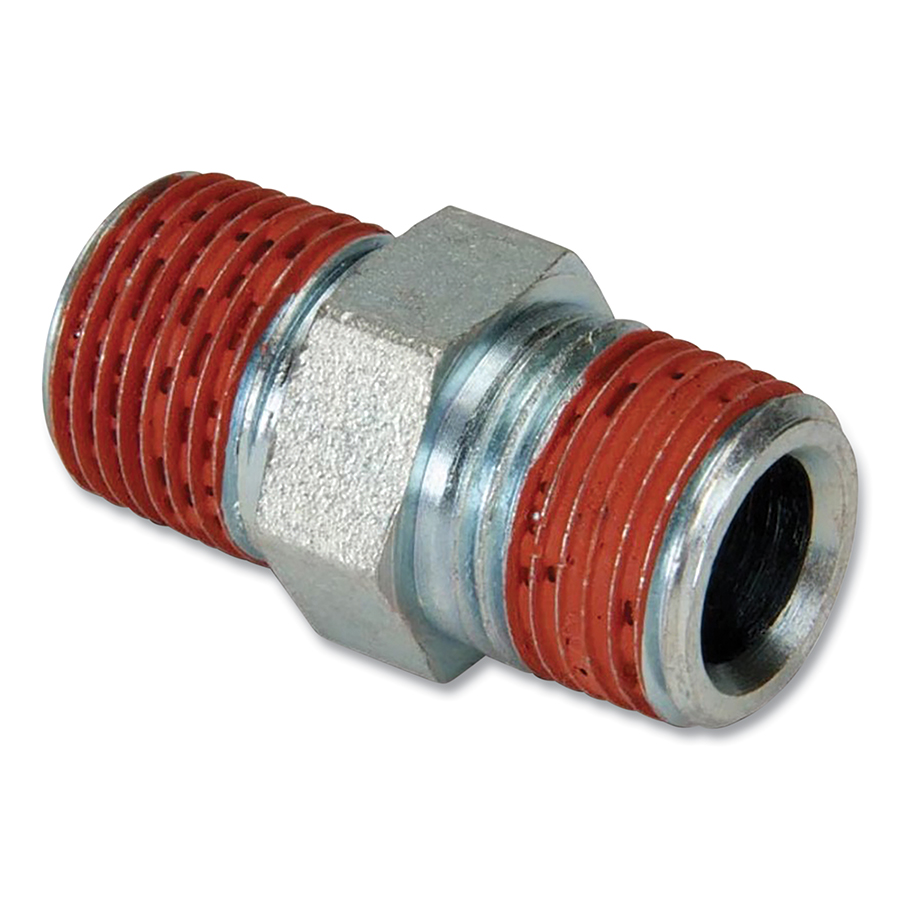 Enerpac hydraulic tool part with 3/8 NPTF hex close, model FZ-1617Enerpac$86.99 USD each
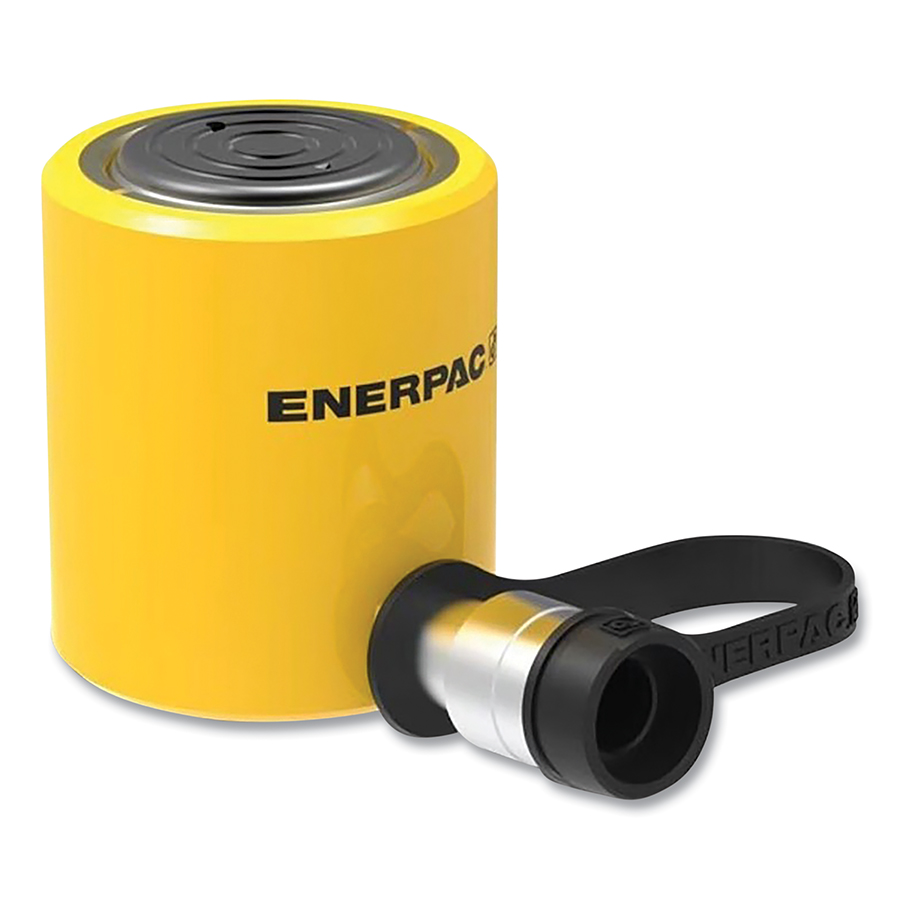 Enerpac 30-ton hydraulic cylinder, model RCS302Enerpac$1,558.99 USD each
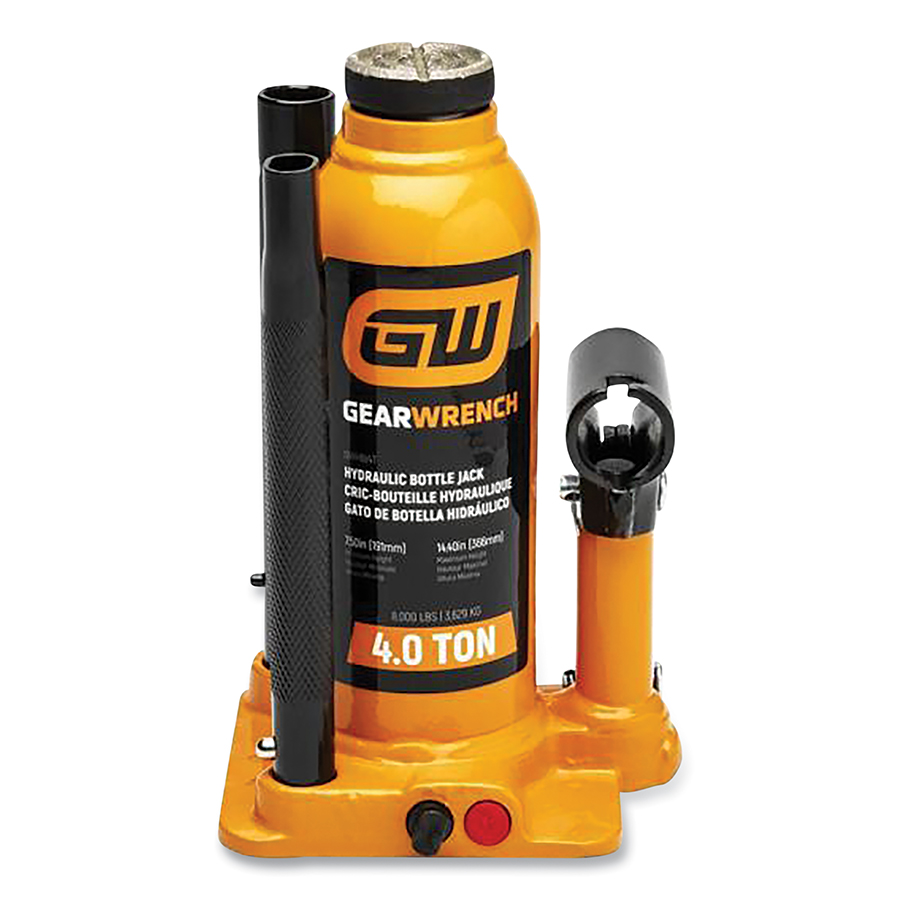 GEARWRENCH hydraulic bottle jack, 4T, model GWHBJ4TGEARWRENCH$123.99 USD each
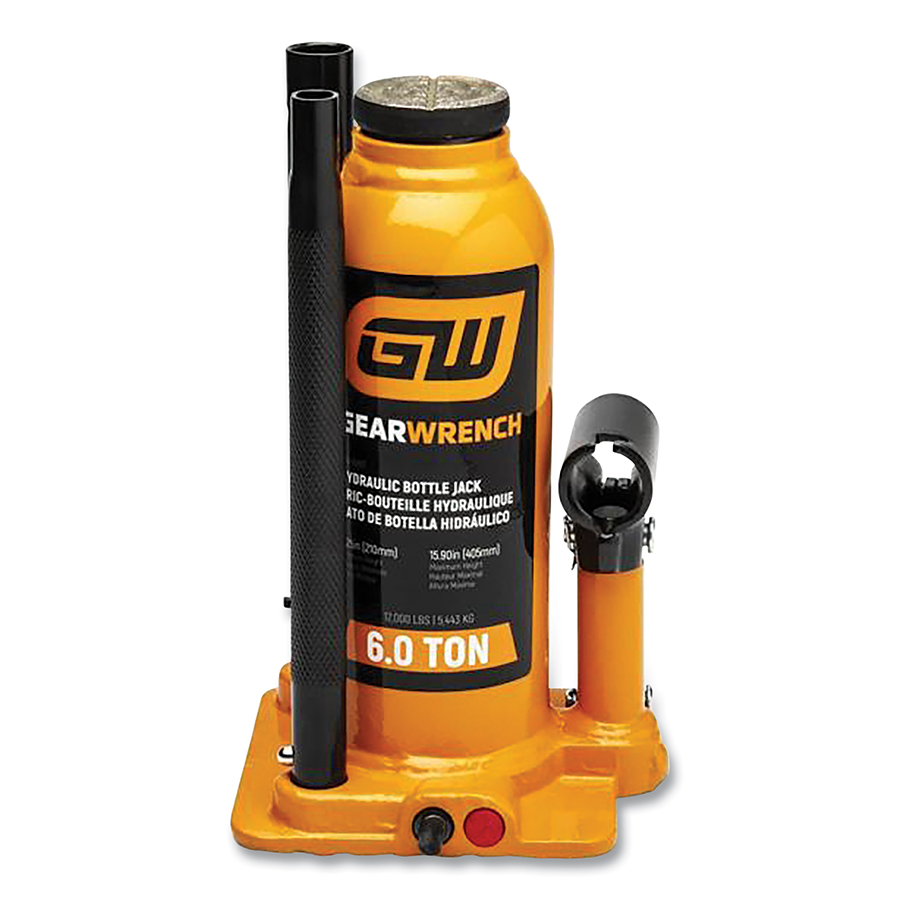 GEARWRENCH hydraulic bottle jack, 6T, model GWHBJ6TGEARWRENCH$144.99 USD each
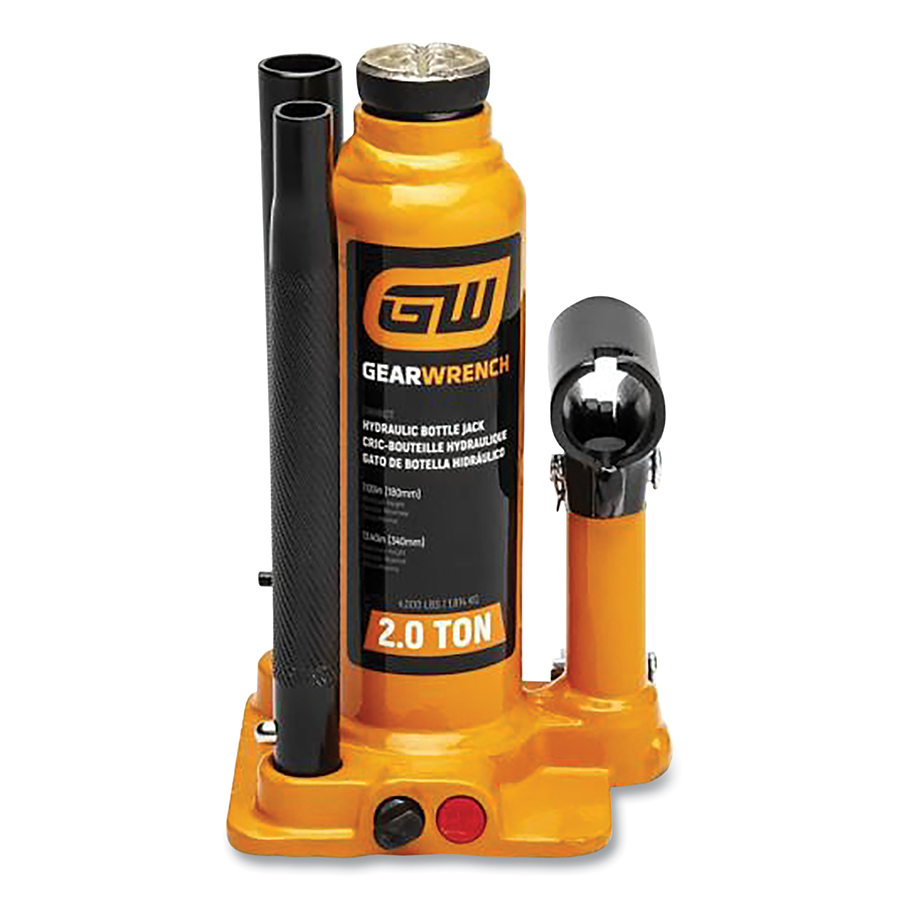 GEARWRENCH hydraulic bottle jack, 2T, model GWHBJ2TGEARWRENCH$106.99 USD each
- No photo yetRubbermaid Commercial large deskside recycling container, blue, model FG295773BLUERubbermaid Commercial$84.99 USD each
- No photo yetORION ROPEWORKS INC cotton sash cord, 3/8 inch by 100 foot hank, model 237-WAORION ROPEWORKS INC$84.99 USD each
- No photo yetCM COLUMBUS MCKINNON alloy steel screw pin anchor shackle, 1-3/8 inch, model M666A-PCM COLUMBUS MCKINNON$334.99 USD each
- No photo yetCM COLUMBUS MCKINNON slip hook, 5/16 in, model M905ACM COLUMBUS MCKINNON$68.99 USD each
- No photo yetCampbell welded ring, bright finish, model 6053614Campbell$41.99 USD each
- No photo yetCampbell lap link in blue, model 5801124Campbell$39.99 USD each
- No photo yetJET Retainer buffer, model JT9-730221JET$29.99 USD each
- No photo yetJET Retainer clip, model JT9-730222JET$47.99 USD each
- No photo yetJET Driver retainer, model JT9-730220JET$52.99 USD each
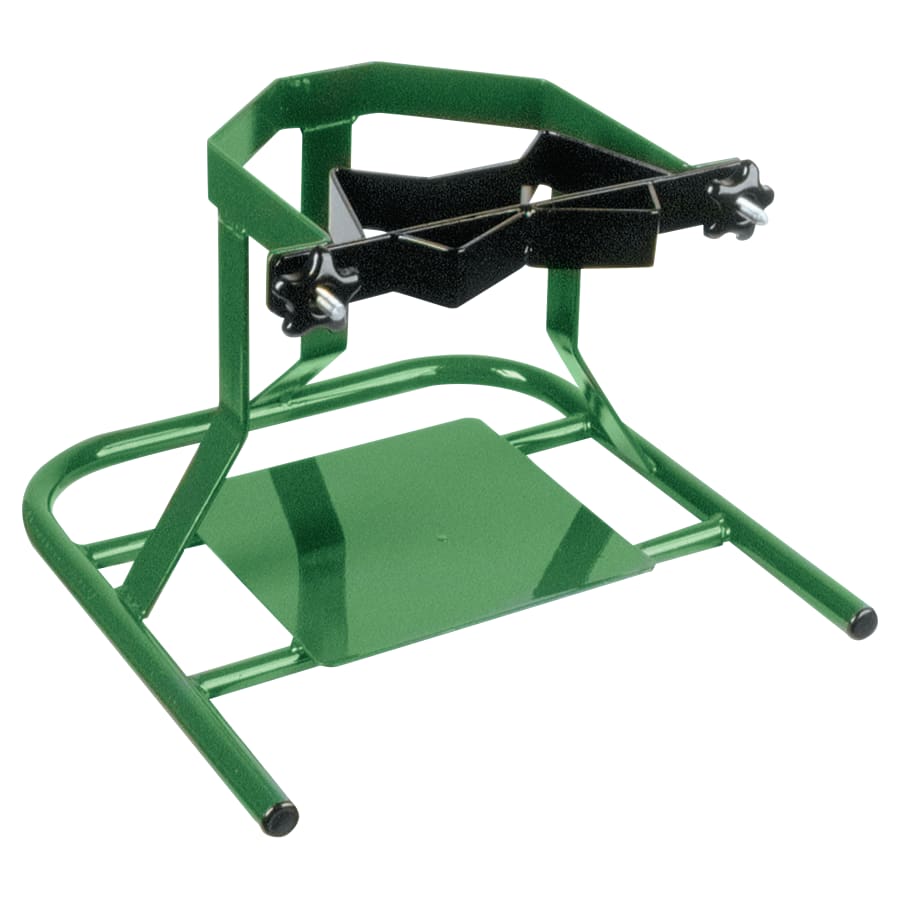 Anthony adjustable cylinder stand, model 610FEAnthony$127.99 USD each
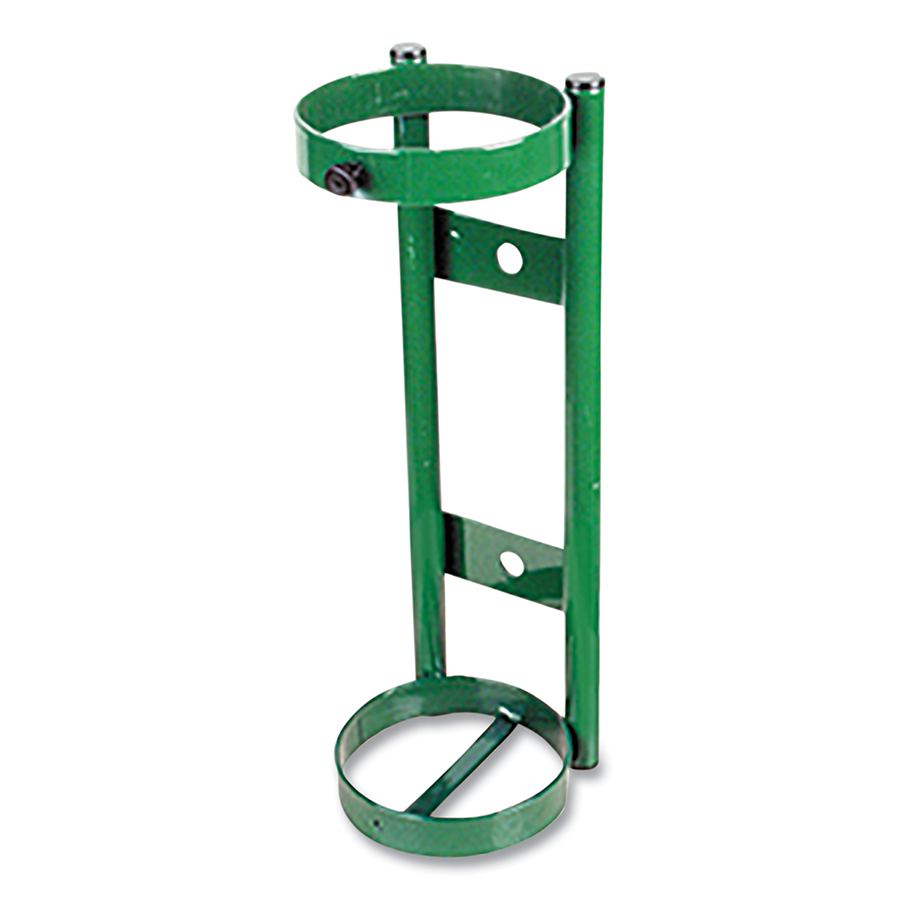 Anthony cylinder bracket, model 610WMAnthony$84.99 USD each
- No photo yetPelican skid mate, orange, model 35-630-225Pelican$25.99 USD each
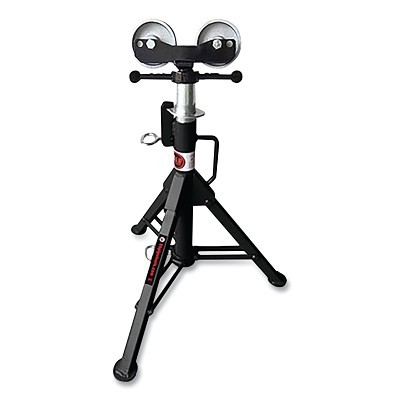 SUMNER HD Hi Fold-A-Jack with steel wheel head, model 3900SWHSUMNER$235.99 USD each
- No photo yetSUMNER pipe jack safety washer, model PJSWSUMNER$29.99 USD each
- No photo yetSUMNER pipe jack T-handle, 1 each, model PJTHSUMNER$41.99 USD each
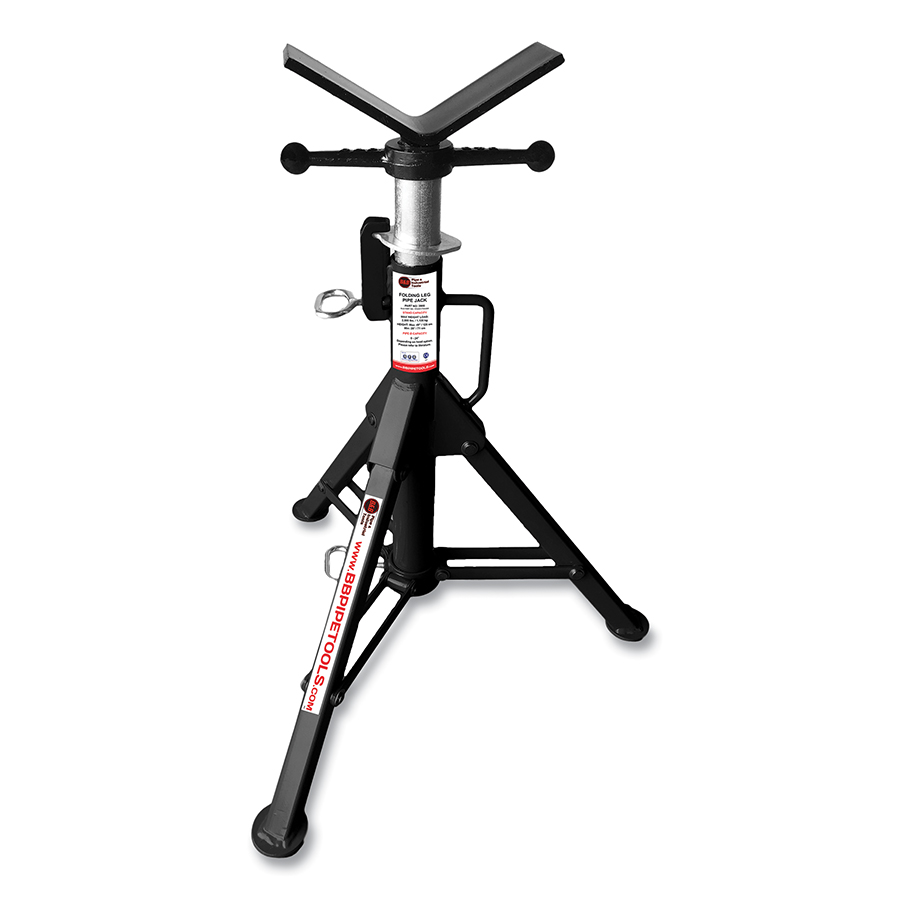 SUMNER HD Hi Fold-A-Jack with V-head, model 3900SUMNER$132.99 USD each
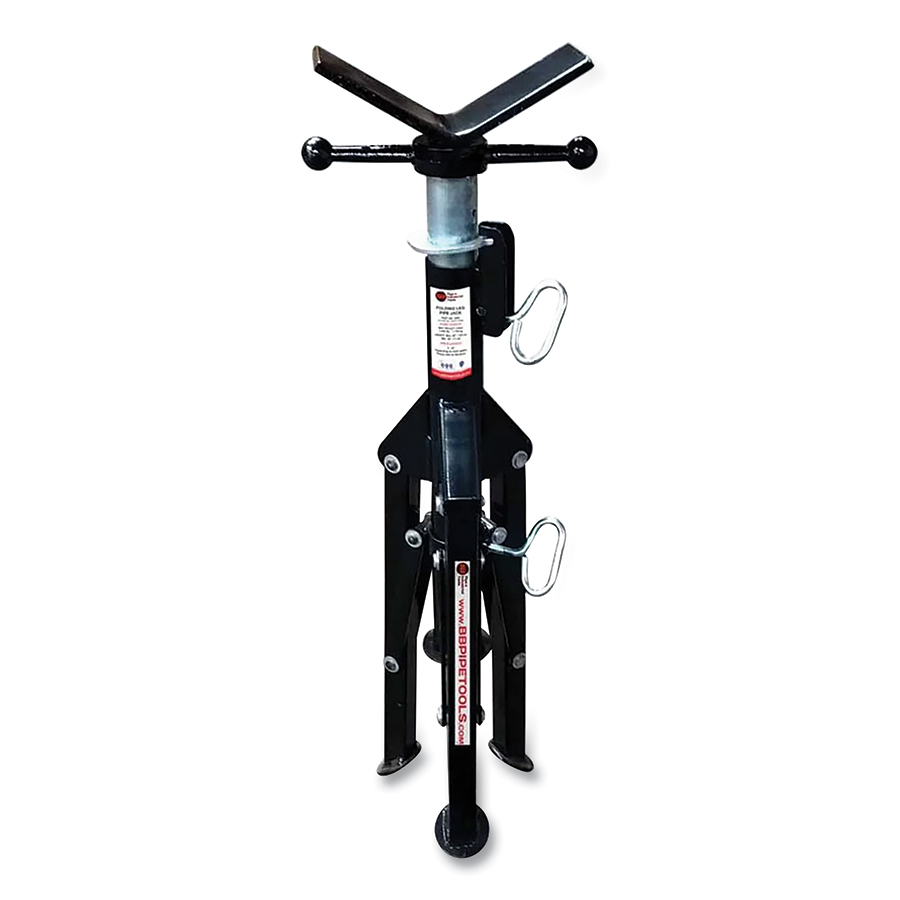 SUMNER HD Lo Fold-A-Jack with V-head, model 4000SUMNER$159.99 USD each
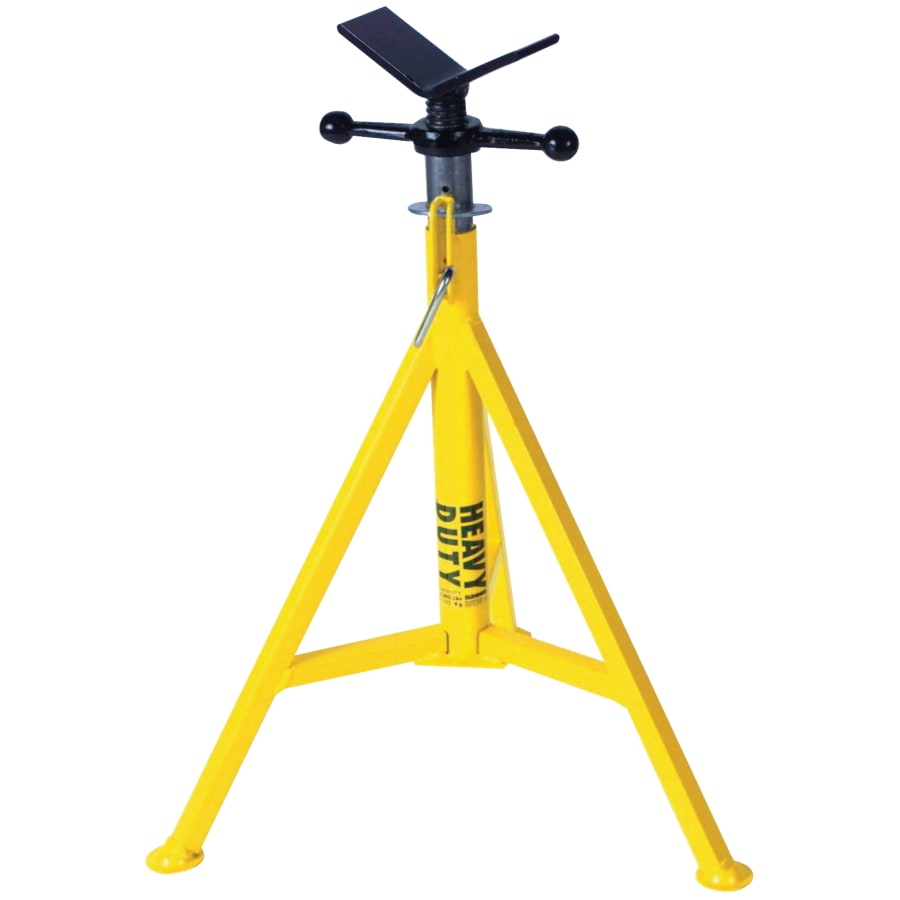 SUMNER HD Hi Pro-Jack with V-head, model 4100SUMNER$166.99 USD each
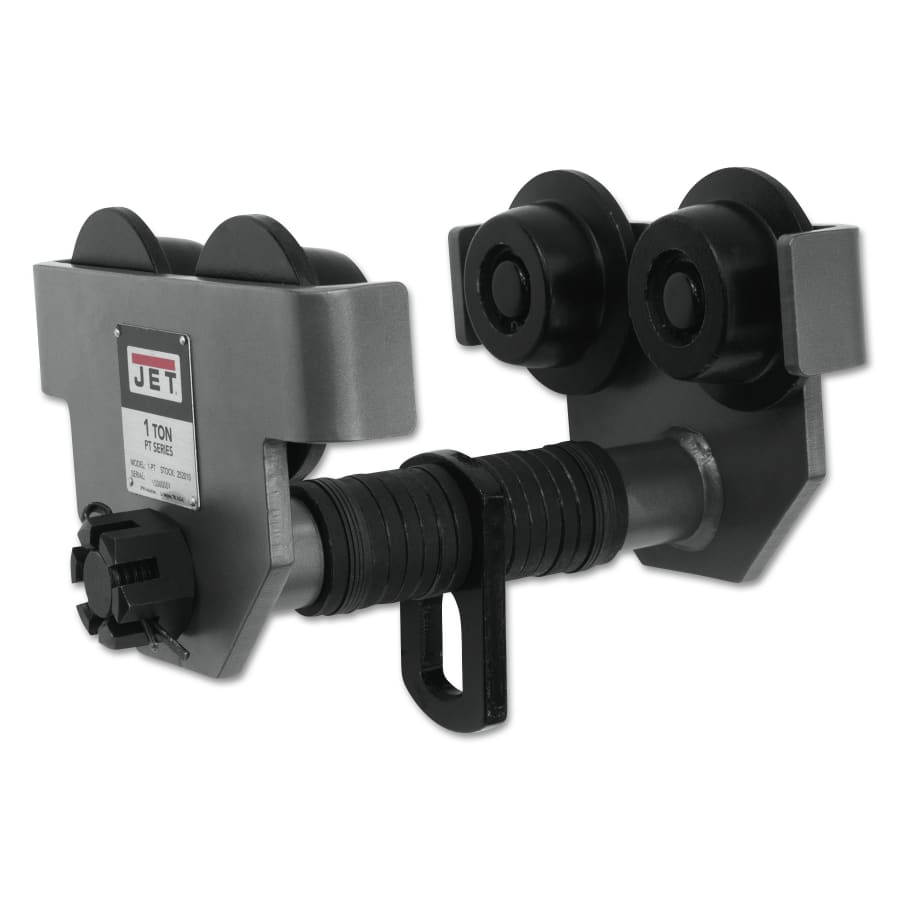 JET 1 ton plain trolley, model JT9-252010JET$240.99 USD each
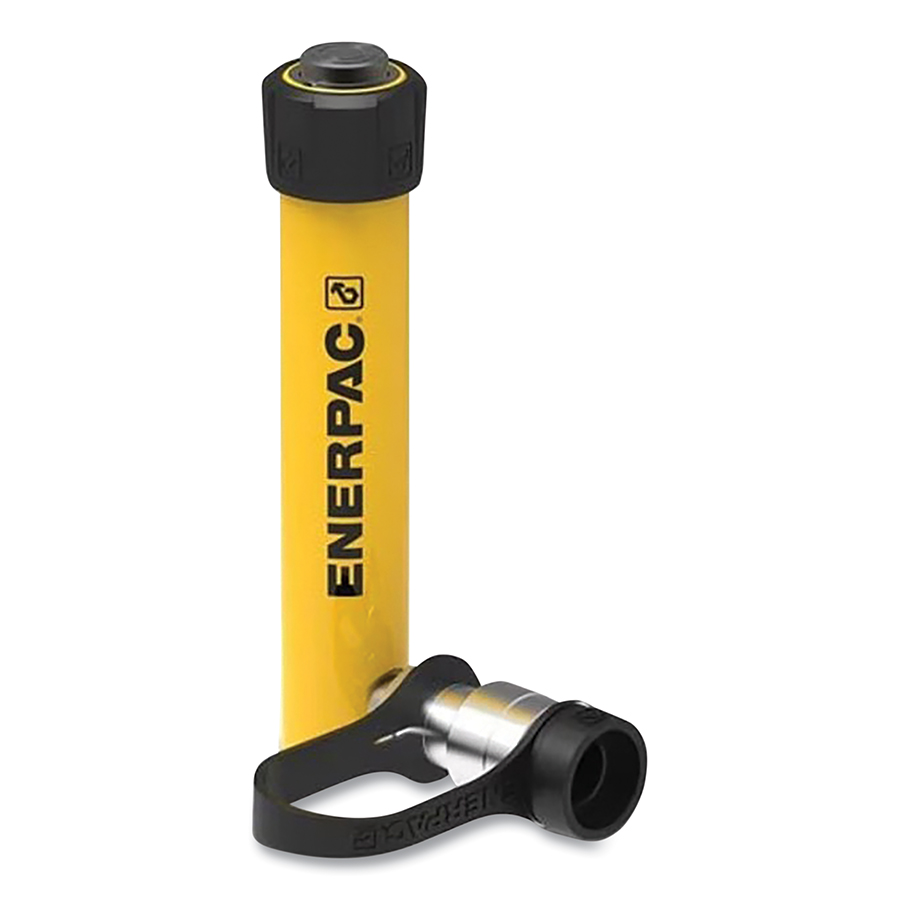 Enerpac hydraulic cylinder, 5 T S/A general, model RC55Enerpac$875.99 USD each
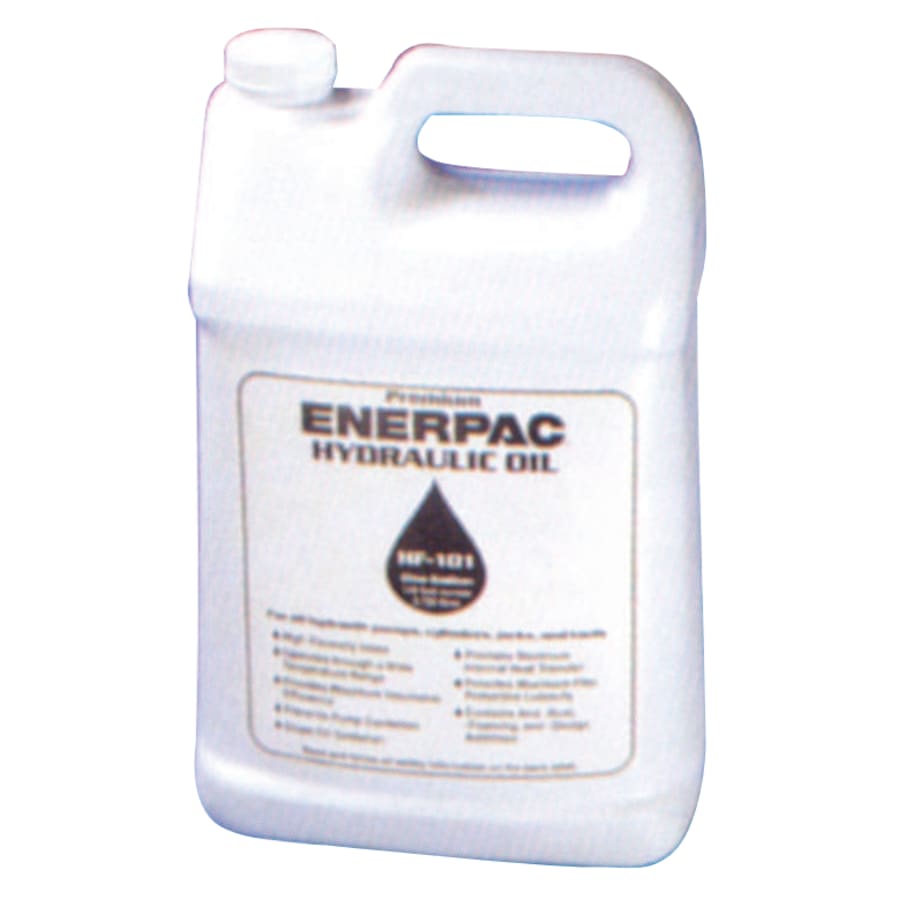 Enerpac hydraulic oil, hydraulic power source, model HF101Enerpac$105.99 USD each
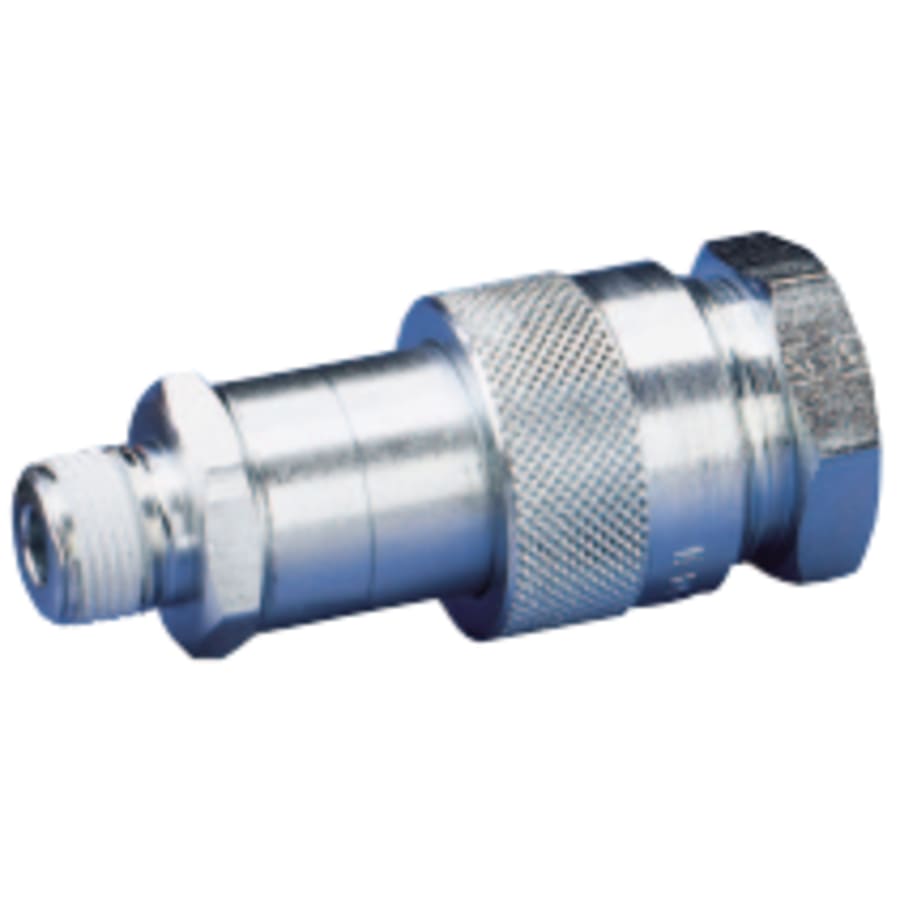 Enerpac hi-flow coupler, 3/8", model C604Enerpac$148.99 USD each
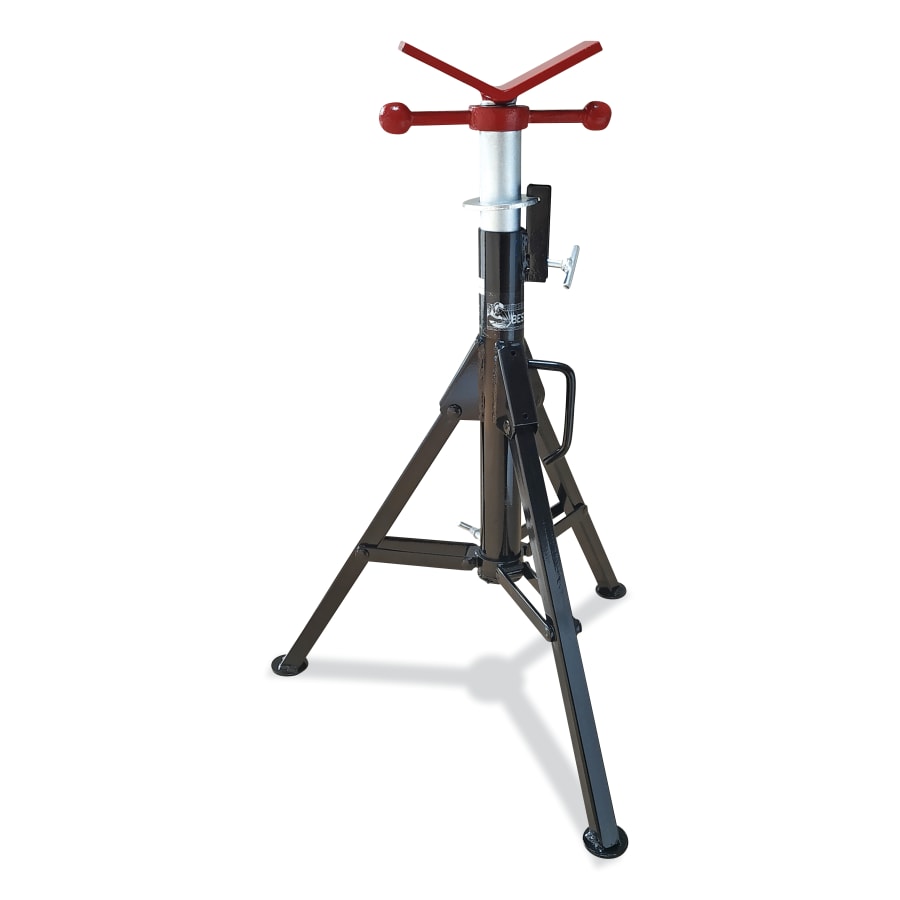 BEST WELDS Hijack pipe stand, 8 inch to 49 inch, model 900-PIPE-STAND-HJBEST WELDS$143.99 USD each
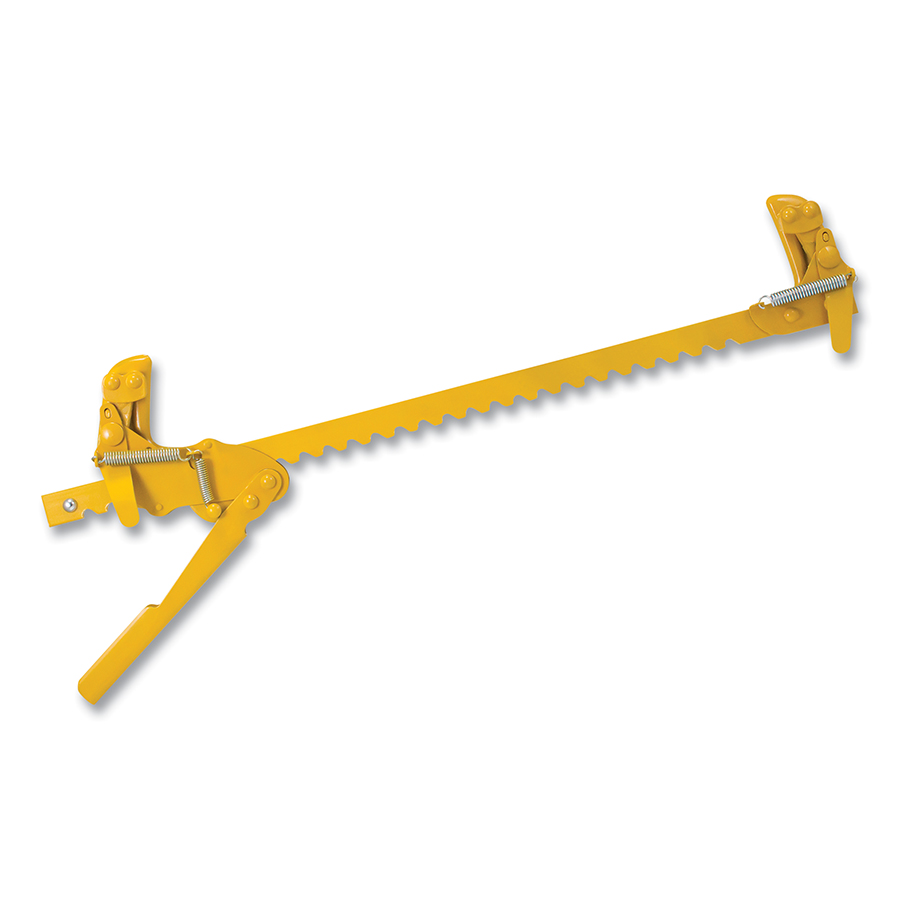 GOLDENROD fence stretcher, model 400GOLDENROD$106.99 USD each
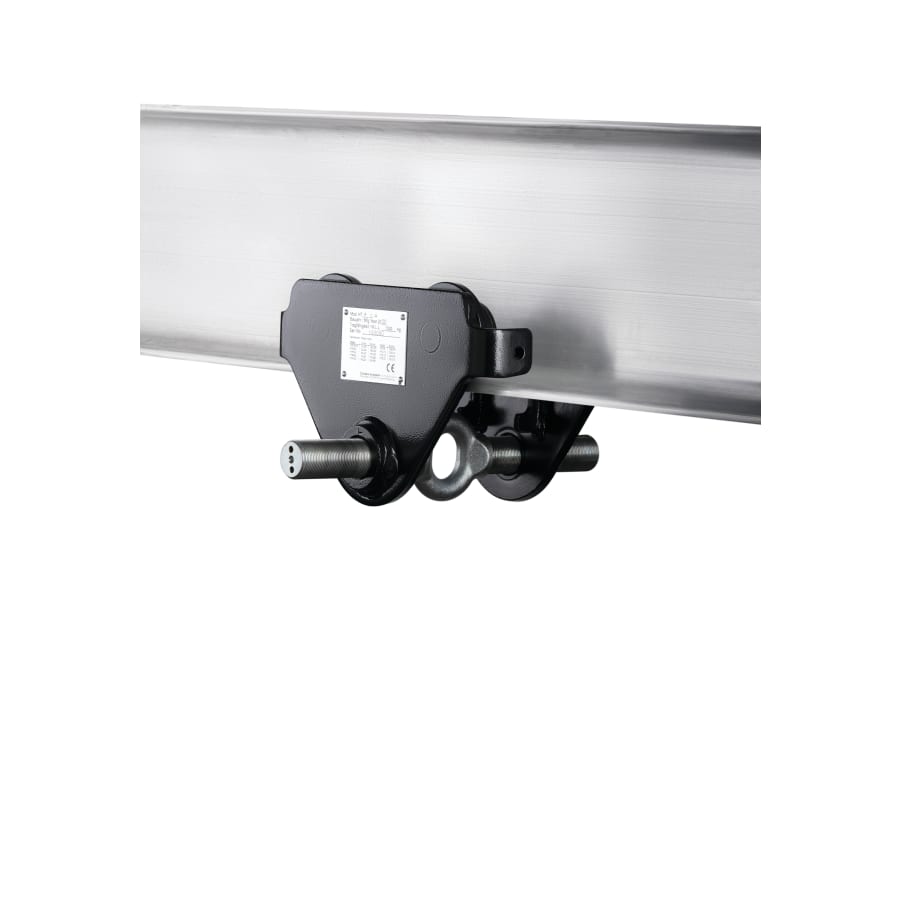 CM COLUMBUS MCKINNON trolley, 1 ton, model HTP0100ACM COLUMBUS MCKINNON$517.99 USD each
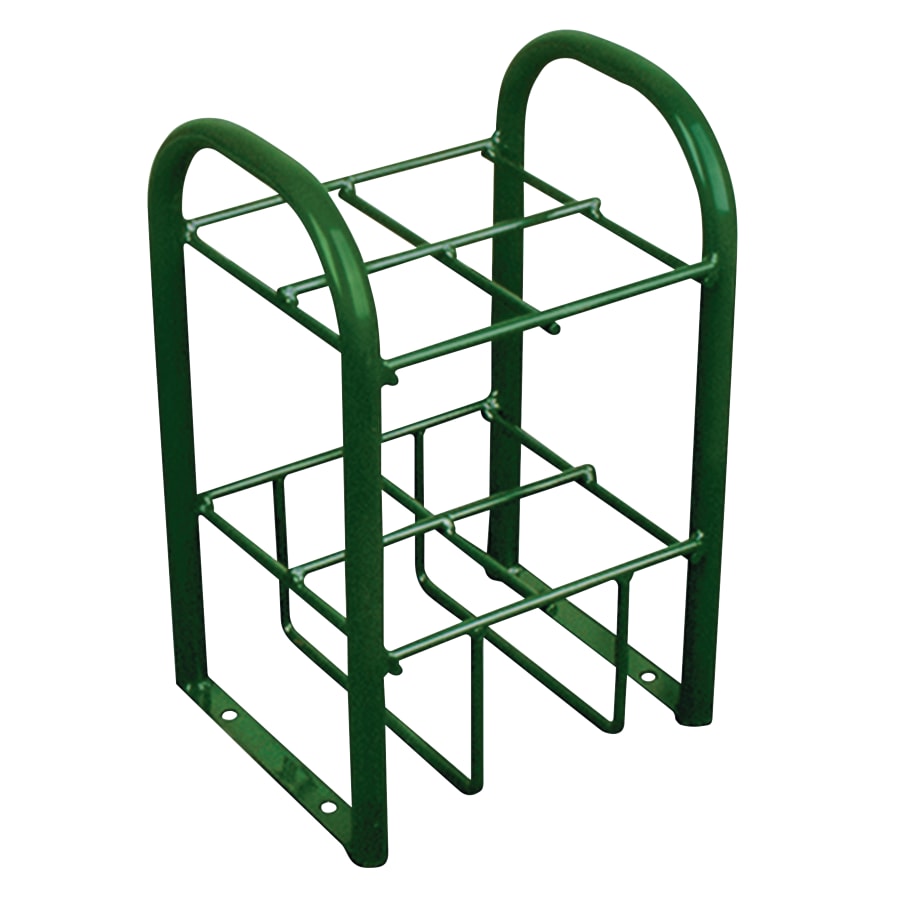 Anthony cylinder stand for 4 D/E cylinders, model 6040Anthony$177.99 USD each
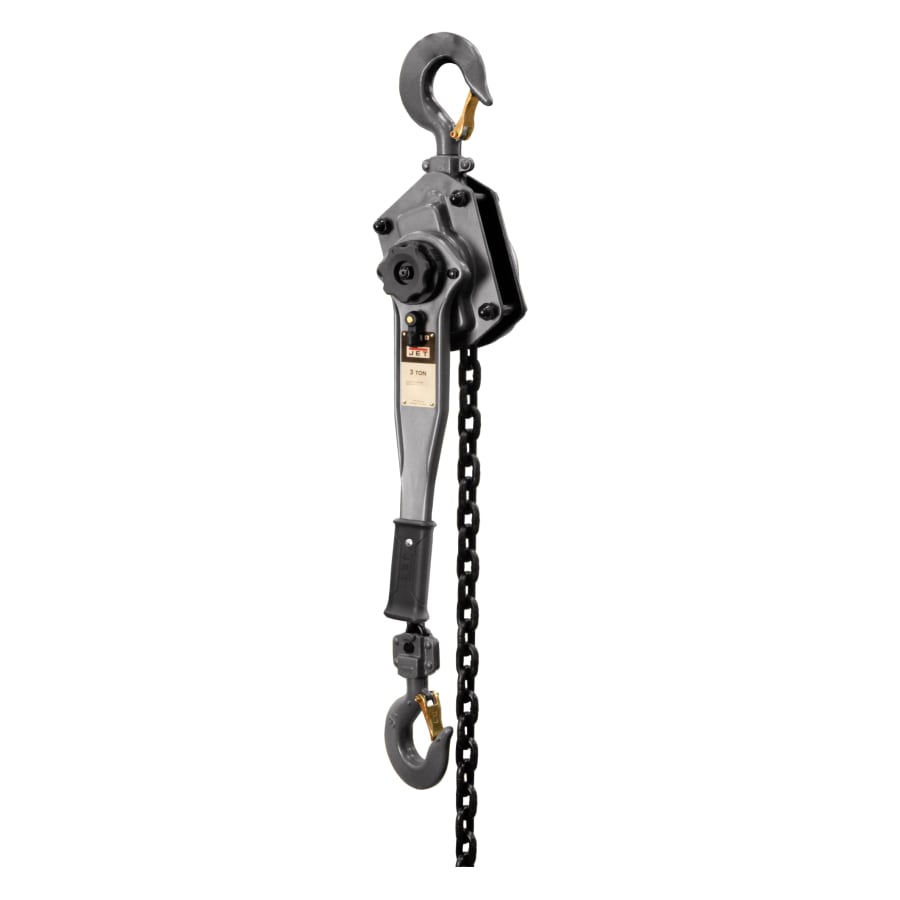 JET hoist and puller, 3 ton with 10' lift, model JT9-287501JET$687.99 USD each
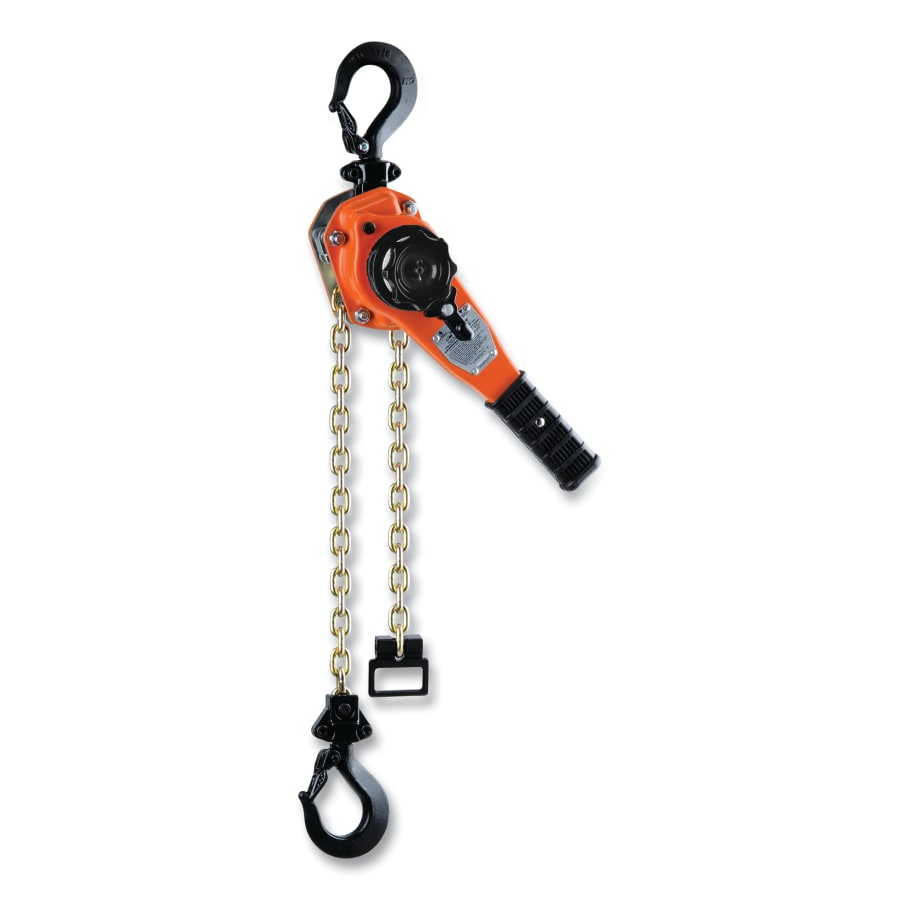 CM COLUMBUS MCKINNON Bandit lever hoist with load limiter, 1-1/2 T, model BAN15005LLCM COLUMBUS MCKINNON$1,714.99 USD each
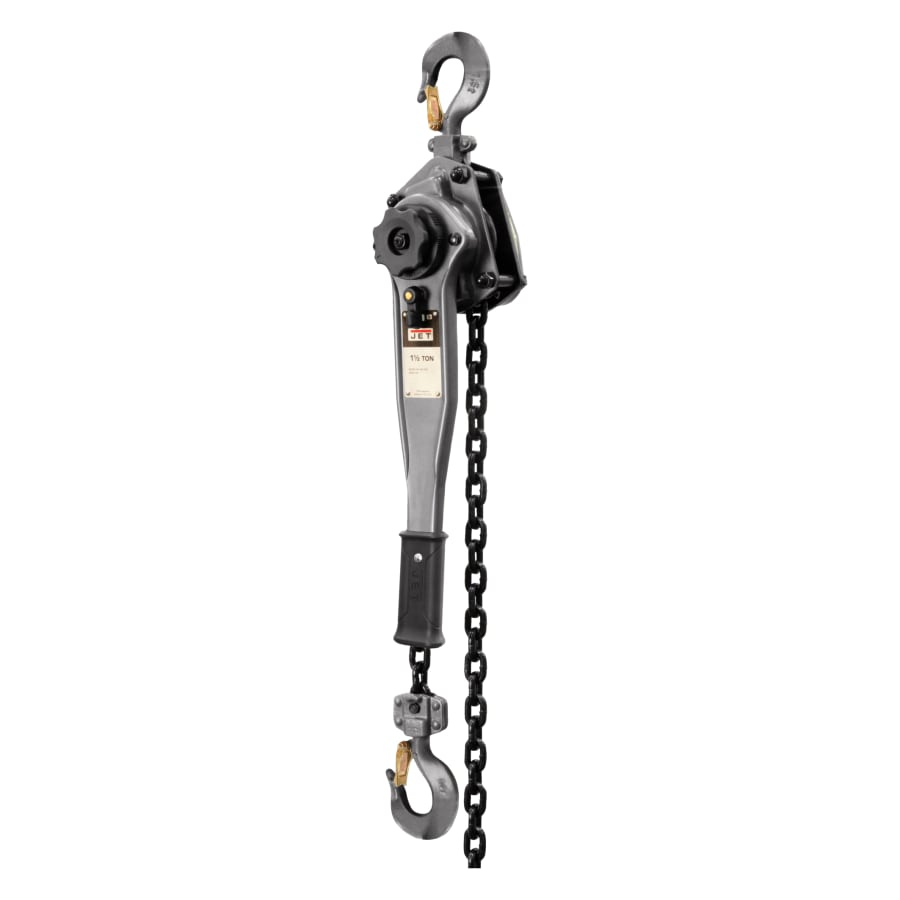 JET hoist and puller, 1-1/2 ton with 10' lift, model JT9-287401JET$495.99 USD each
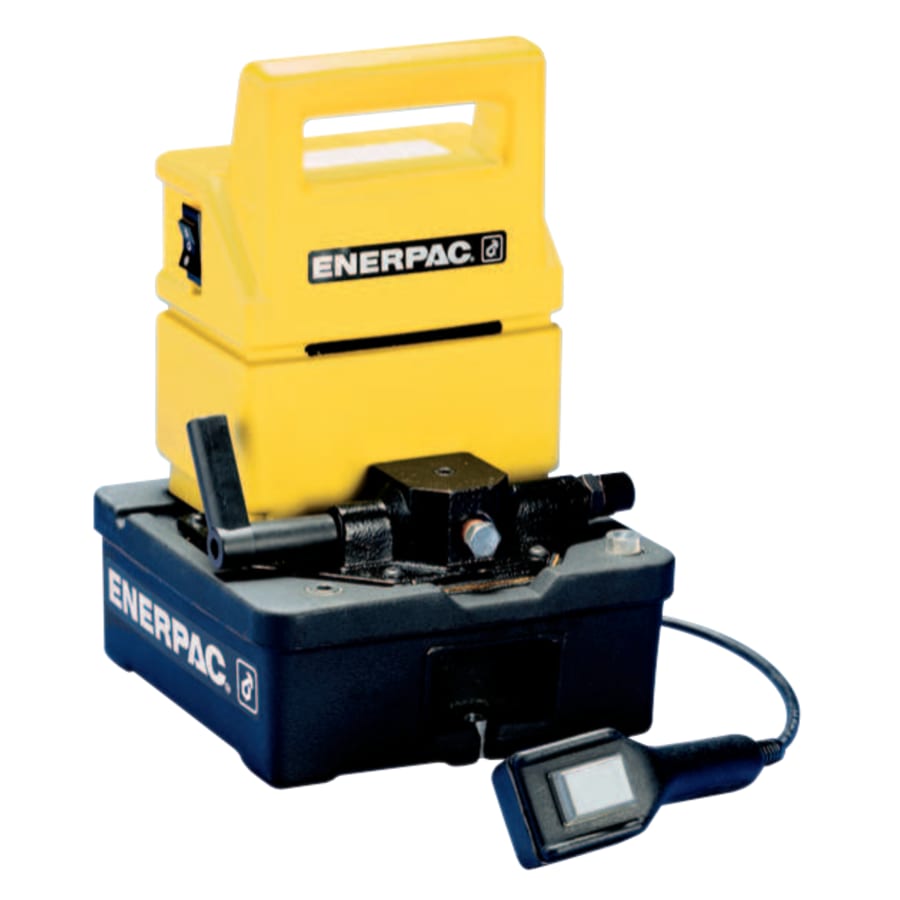 Enerpac electric hydraulic pump, 1/2HP, model PUJ-1201BEnerpac$5,973.99 USD each
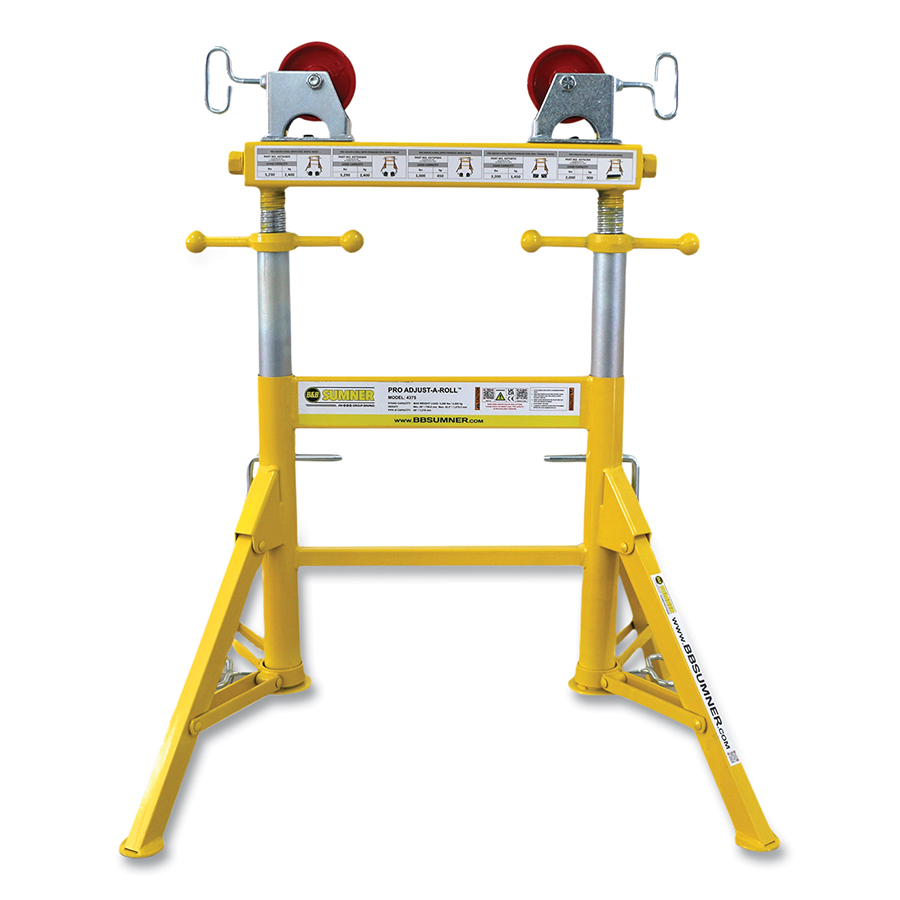 SUMNER Pro Adjust-A-Roll with steel wheel head, model 4375SWHSUMNER$718.99 USD each
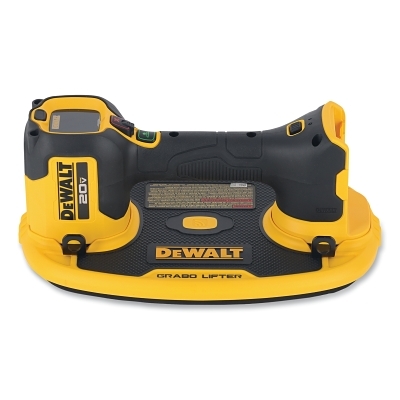 DeWalt 20V battery-powered suction lifter, tool only, model DCE592BDeWalt$291.99 USD each
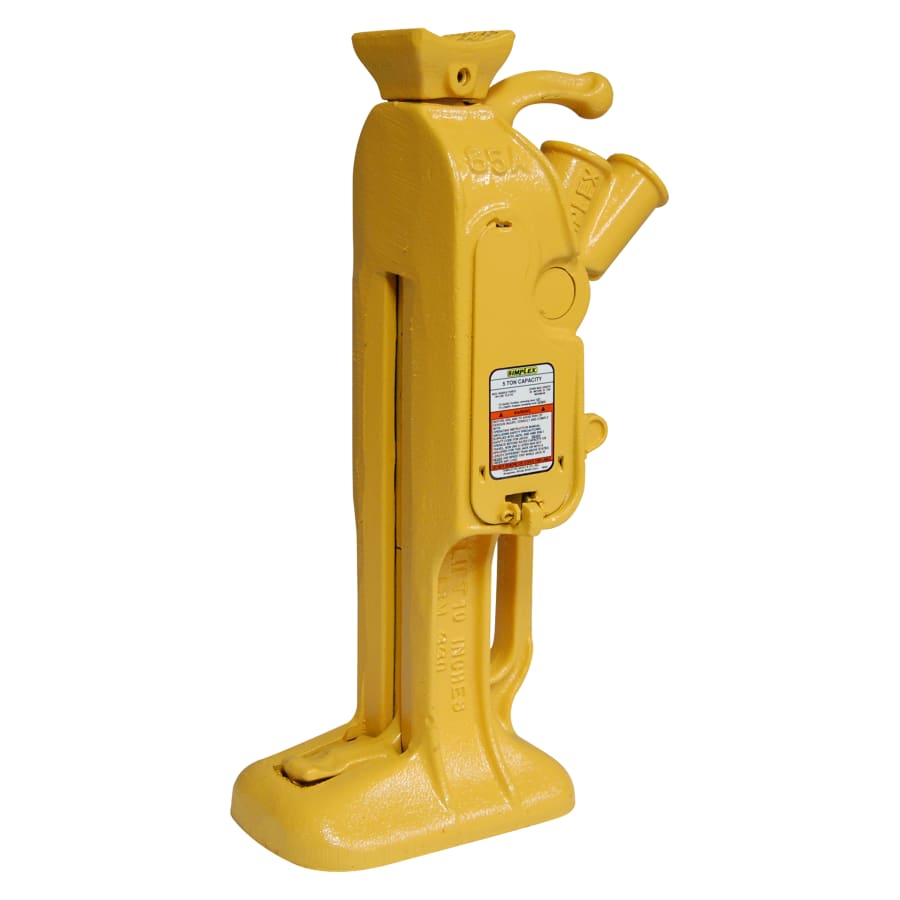 Simplex ratchet lowering lever jack, model RJ85ASimplex$1,435.99 USD each
About Material Handling
Material handling is a category that holds goods used to move and store products. A buyer checks several items before purchasing these goods. The buyer looks at upright frames for damage from forklift hits. The buyer checks beam connections and locking pins. The buyer inspects the equipment for rust at the bottom where water collects. The buyer makes sure anchor bolts are tight and load capacity tags are easy to read. The buyer assesses operational needs and the type of material to handle. The buyer evaluates initial costs, maintenance requirements, and energy efficiency. The buyer checks facility size and space requirements before the purchase.
Read what buyers ask
What should a buyer look for on upright frames?
The buyer checks upright frames for damage from forklift hits. Bent columns are dangerous.
How does a buyer evaluate energy consumption?
The buyer opts for equipment with lower energy consumption to save on operational costs. Lithium-ion battery-powered forklifts offer this benefit.
What operational needs should a buyer assess before buying?
The buyer assesses the type of material to handle, the size of the facility, and space requirements. Operational needs guide the purchase.
Why must load capacity tags be checked?
The buyer checks that load capacity tags are easy to read on each section. The buyer adds up pallet weight plus product weight to know what is needed.
How should a buyer inspect equipment condition?
The buyer conducts inspections with checklists to check if the equipment is in good working condition. The buyer logs equipment into an app to monitor it.
What maintenance factors should a buyer evaluate?
The buyer chooses equipment with low maintenance requirements for better return on investment. The buyer balances upfront expenses with long-term value.